German Flak panzers have long held a particular appeal for armor modelers, combining unusual design features with a compelling historical background. My own interest in these vehicles was further sparked after acquiring Nuts & Bolts, Volume 25, an excellent reference that provides detailed coverage of these late-war anti-aircraft conversions. Inspired by the wealth of information, I decided to undertake a small project featuring two of the most distinctive variants—the Wirbelwind and the Ostwind—both based on the proven Panzer IV chassis.
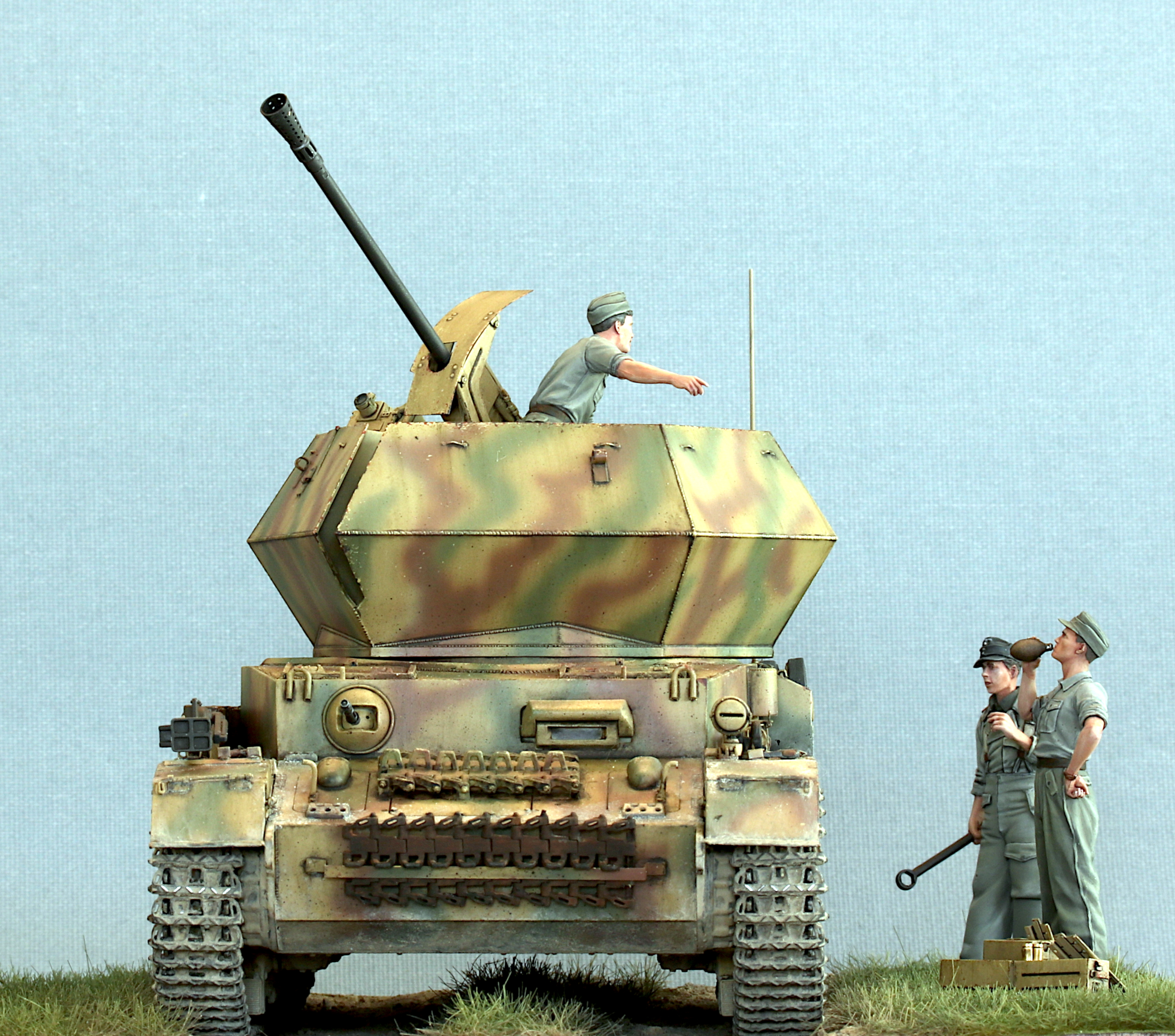
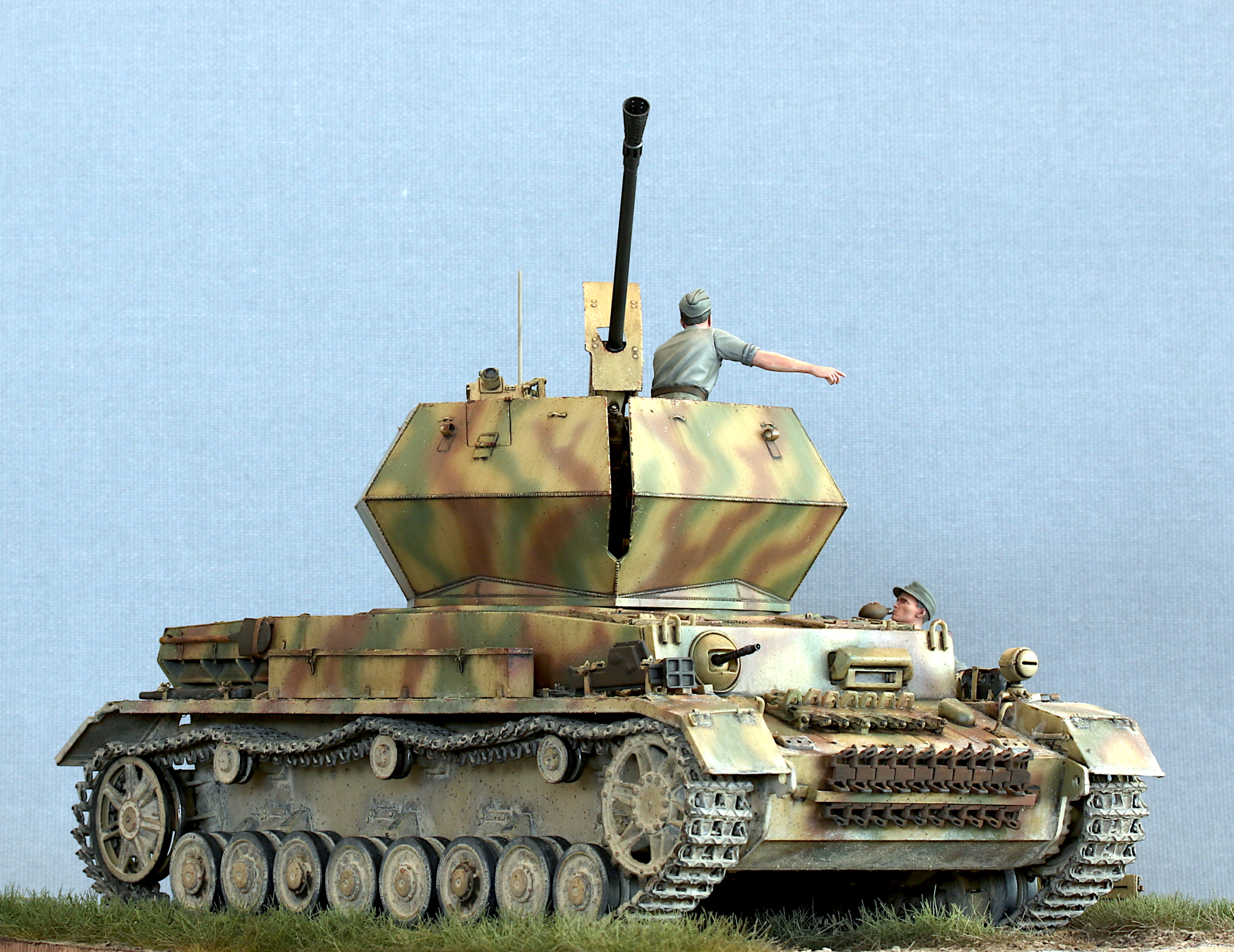
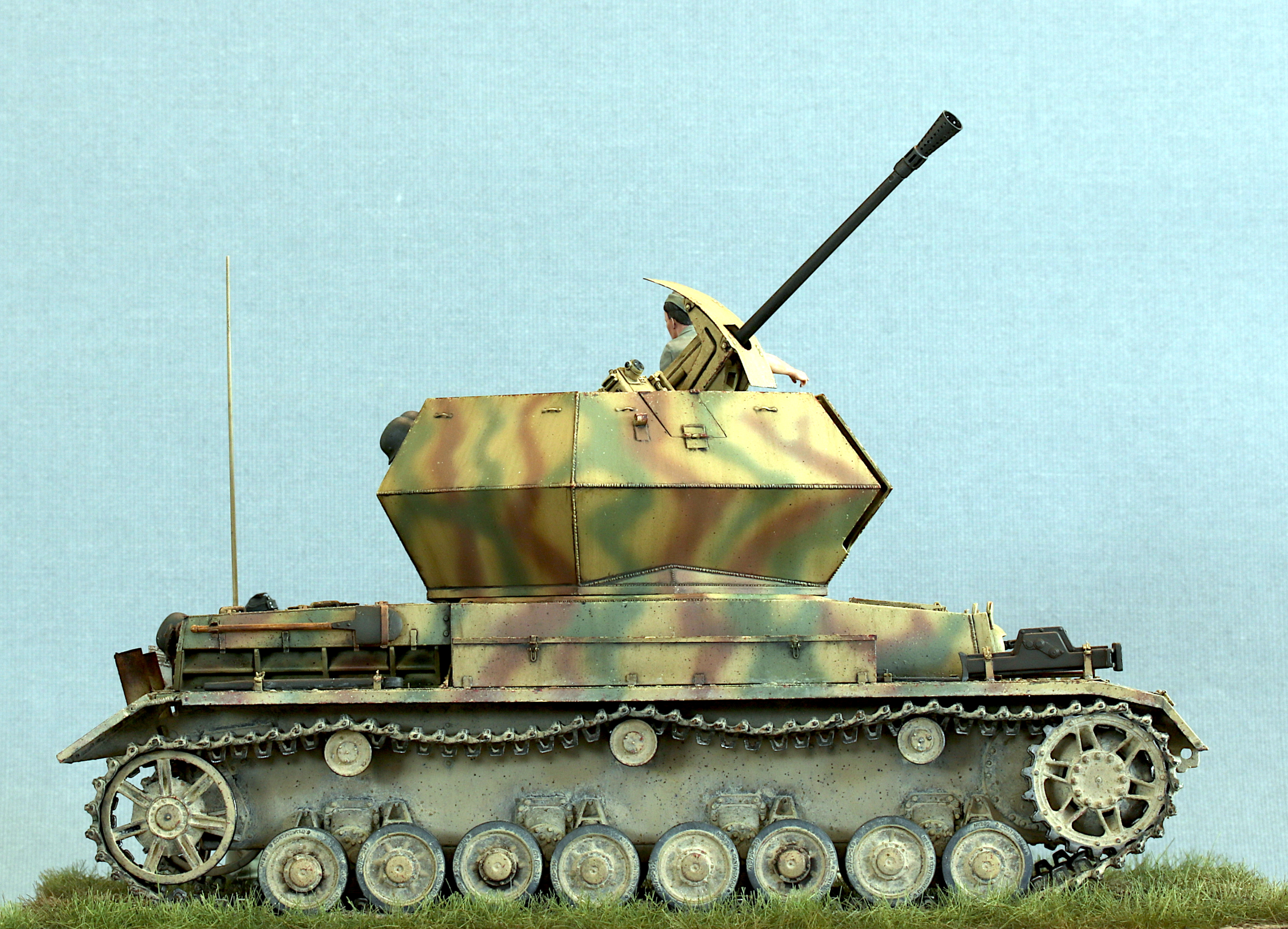
What makes these vehicles especially fascinating is their pragmatic origin. Developed as a response to increasing Allied air superiority, they represented an expedient yet effective solution: readily available Panzer IV hulls, often refurbished, were fitted with newly designed, open-topped turrets optimized for anti-aircraft defense. The Wirbelwind mounted the 2 cm Flakvierling 38, delivering a high rate of fire, while the Ostwind was equipped with the more powerful 3.7 cm Flak 43, offering greater range and hitting power.
Production of both types took place at Ostbau Sagan—located in present-day western Poland—under relatively austere conditions. Despite this, the resulting vehicles proved both effective and distinctive, ensuring their lasting appeal among historians and modelers alike.
The Wirbelwind Build
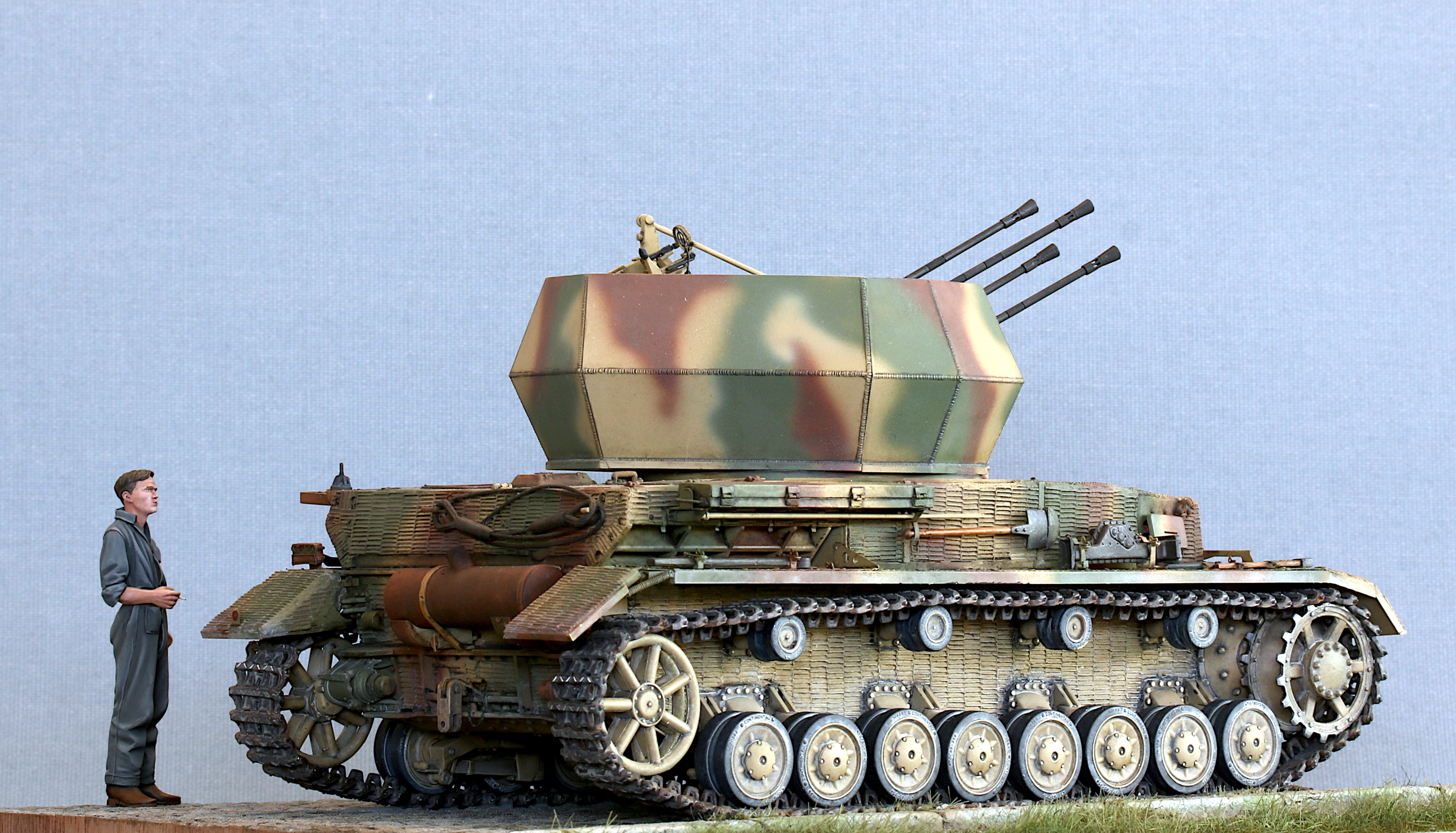
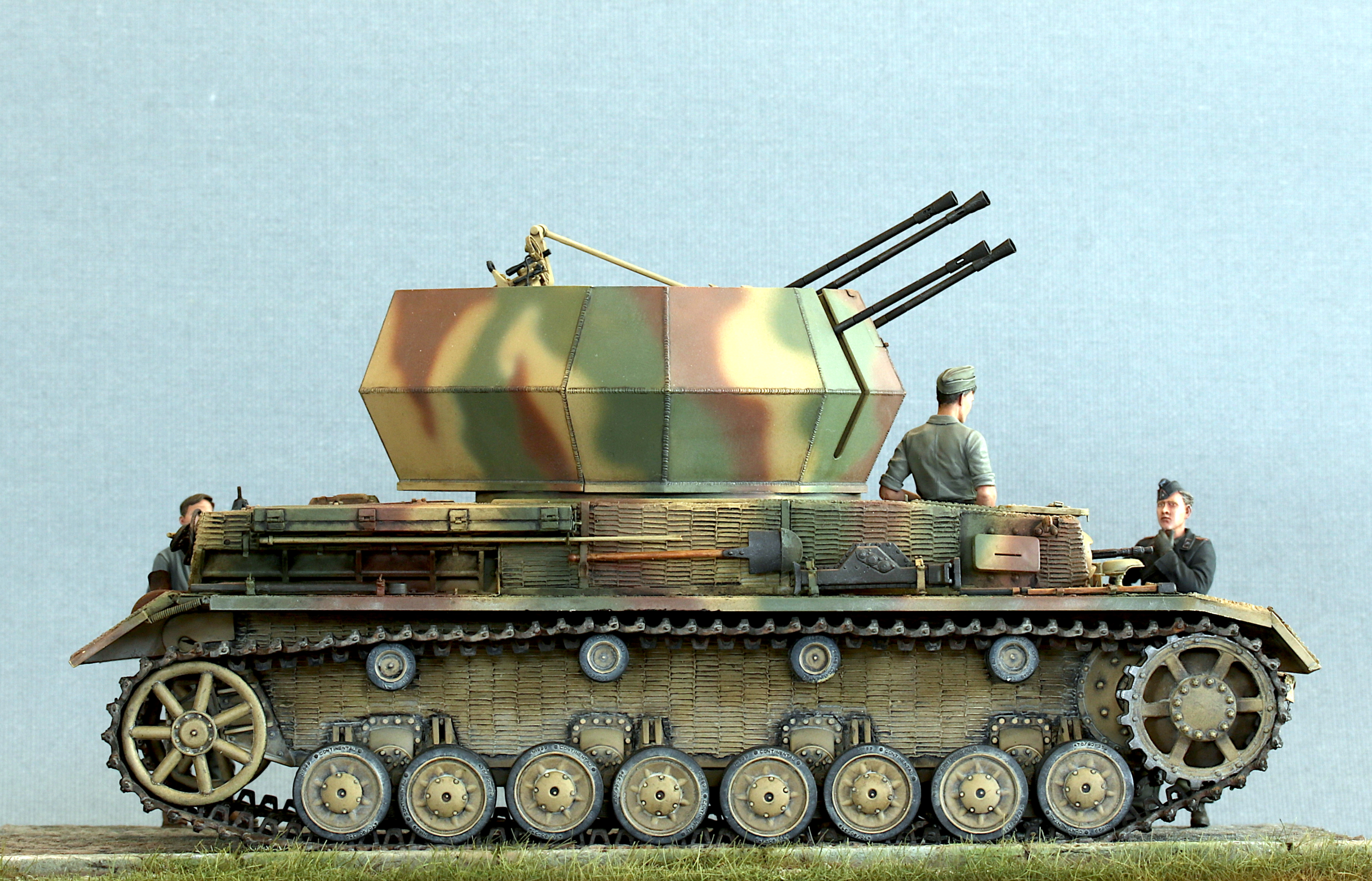
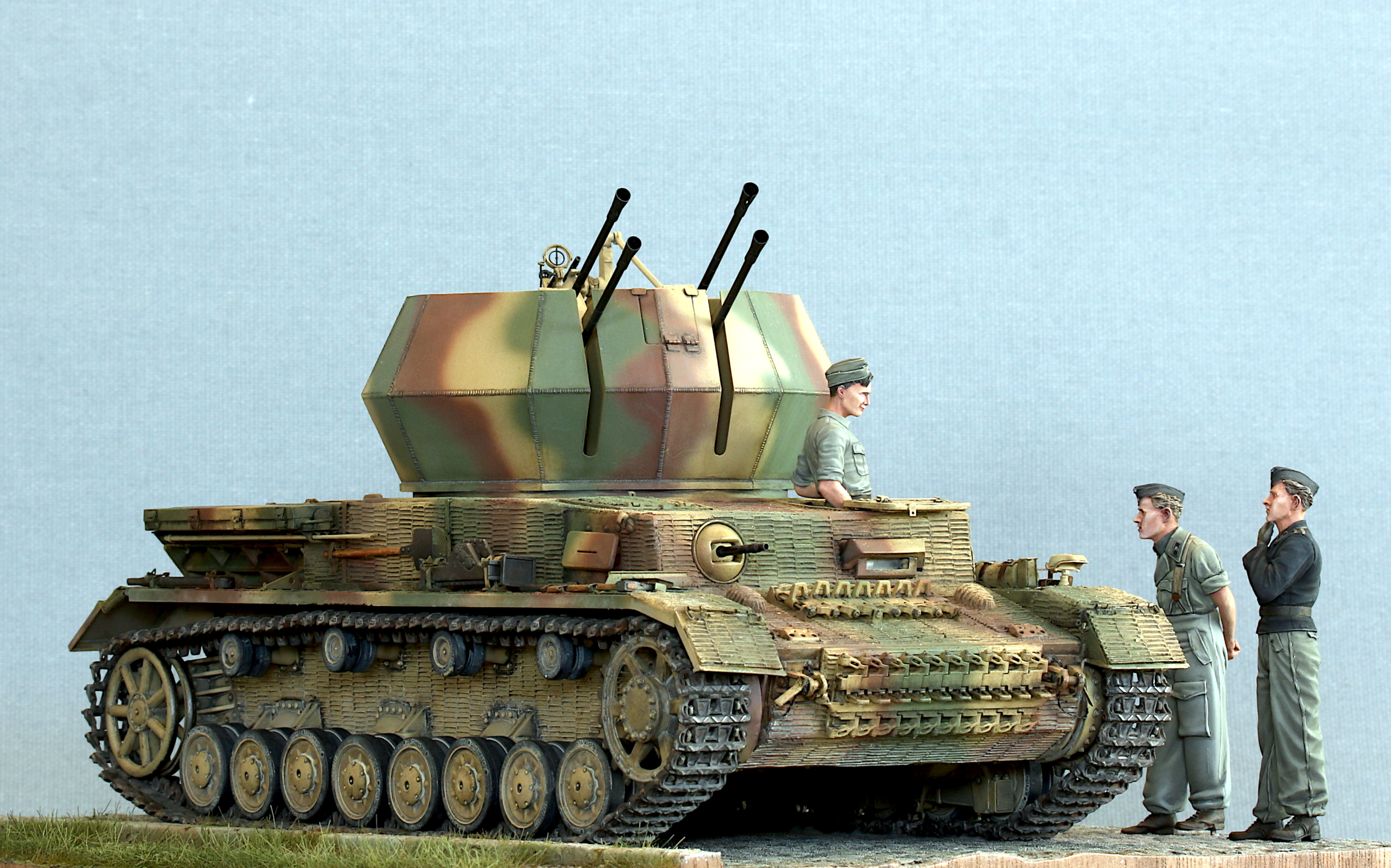
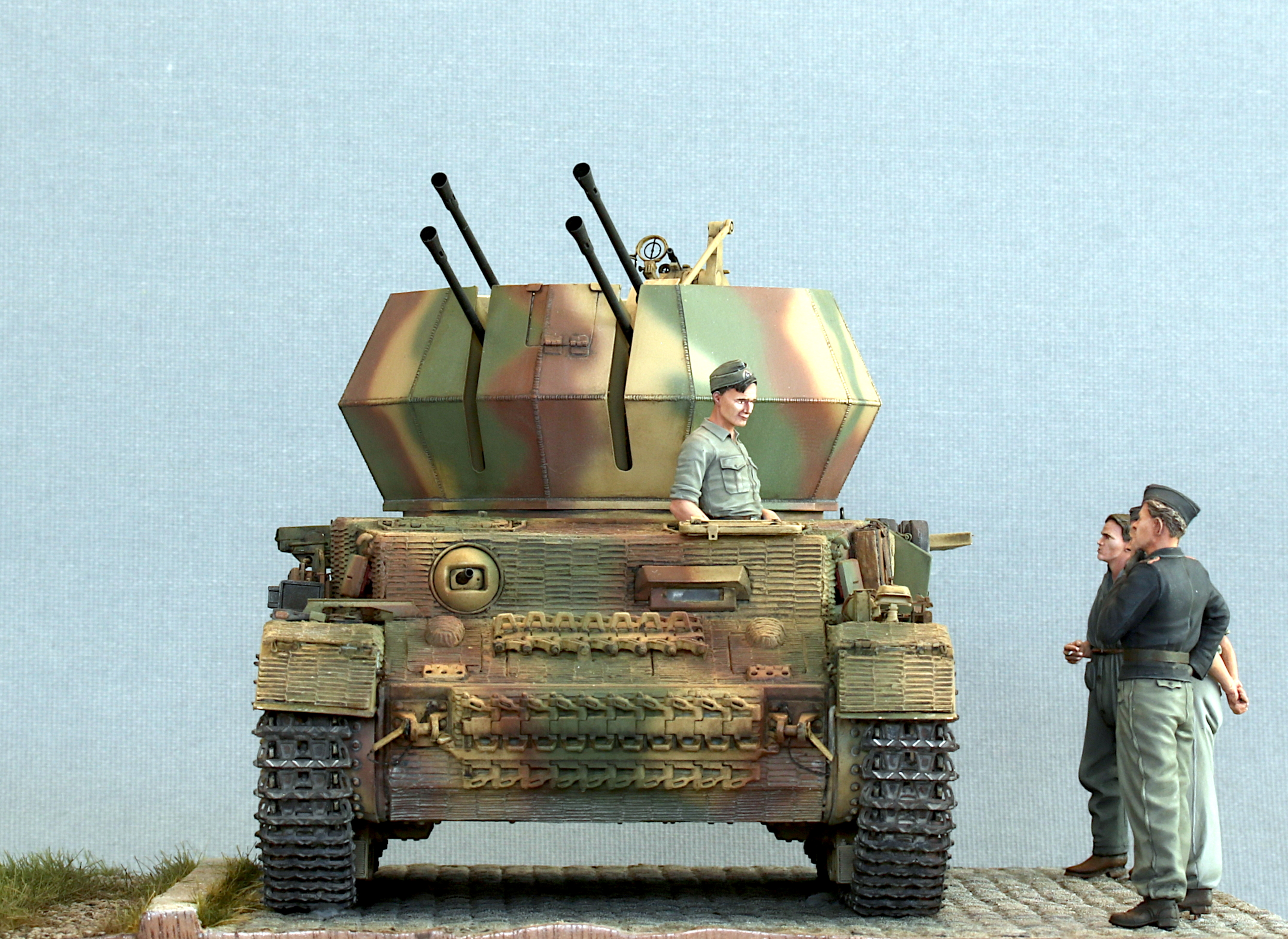
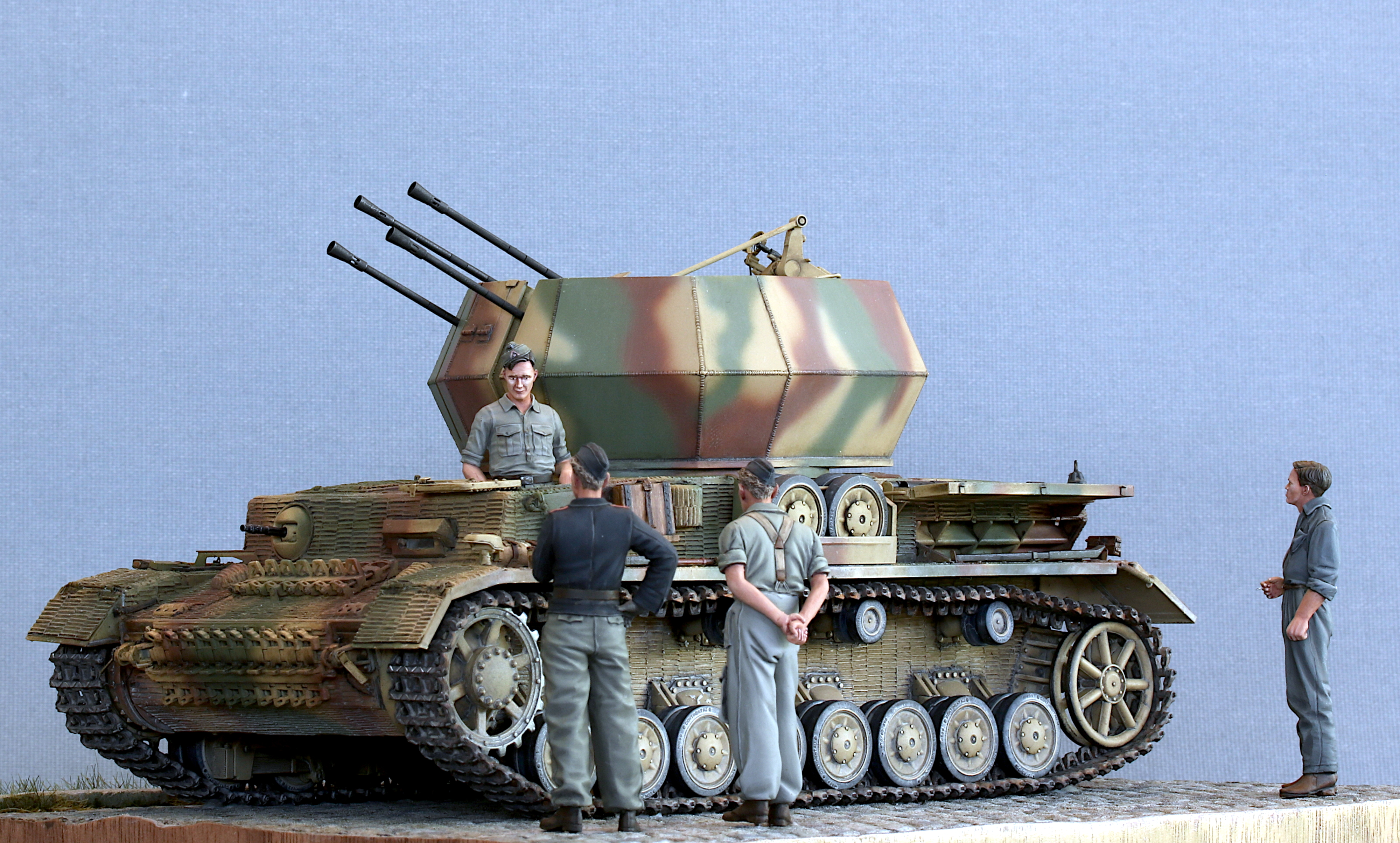
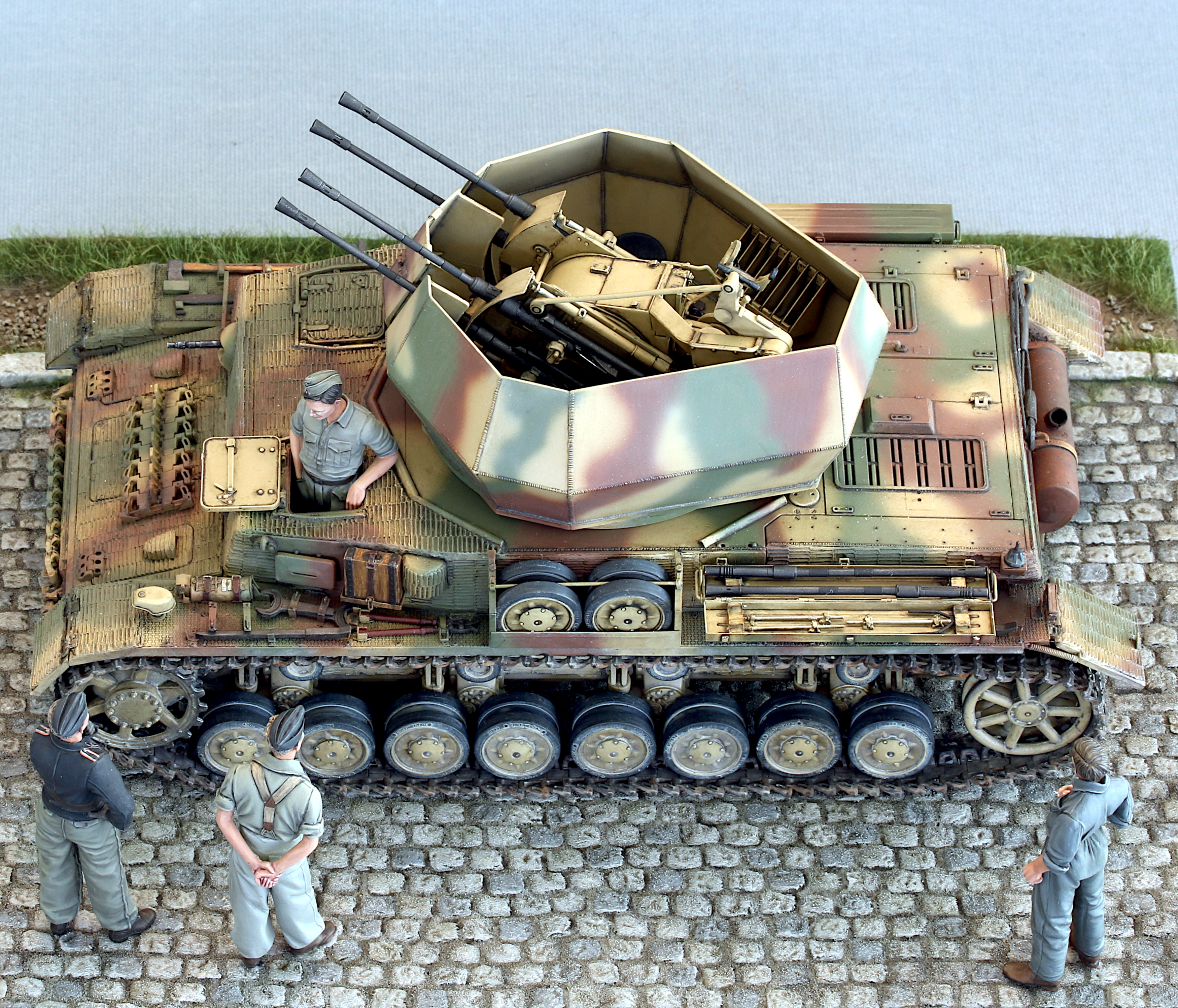
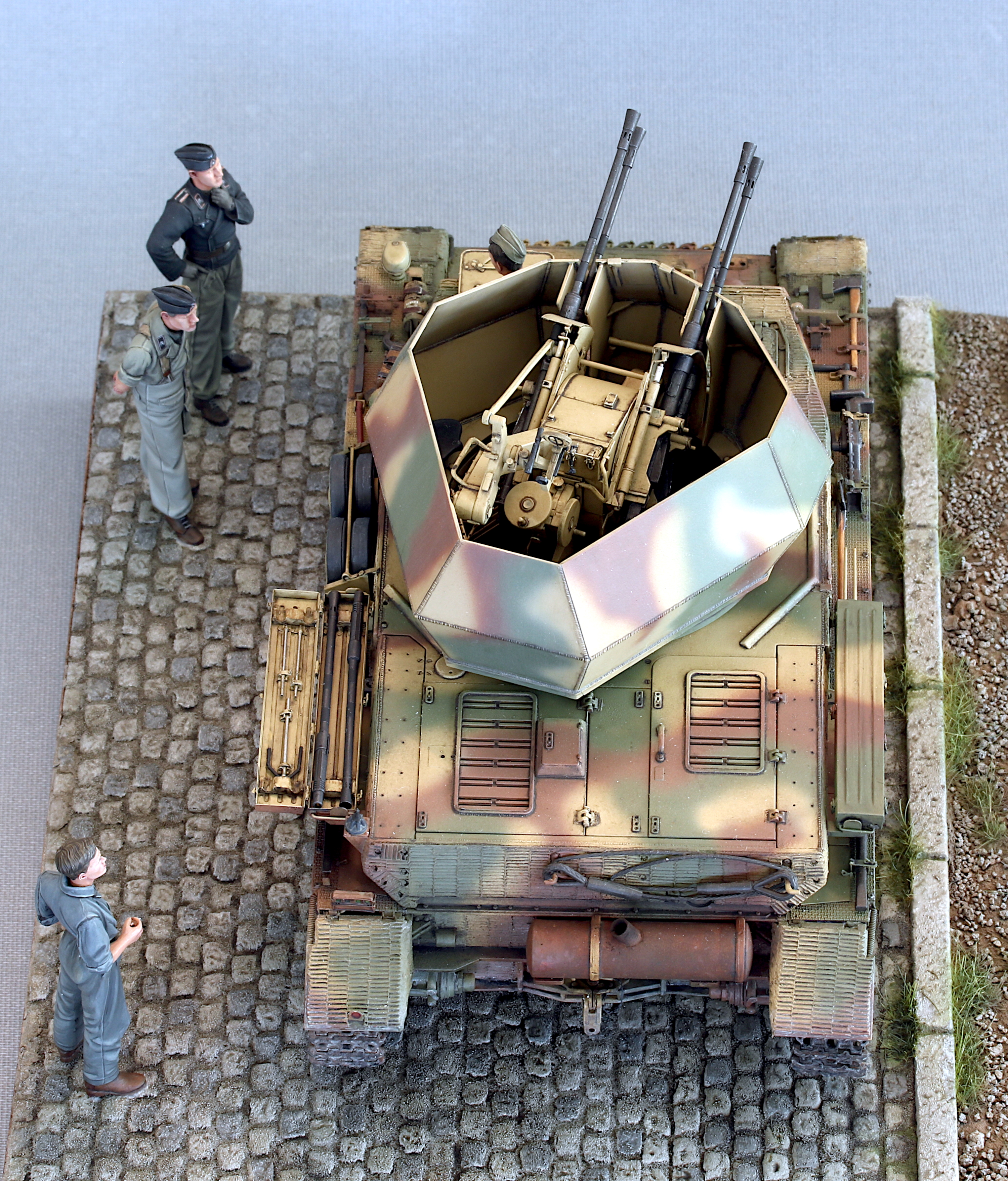
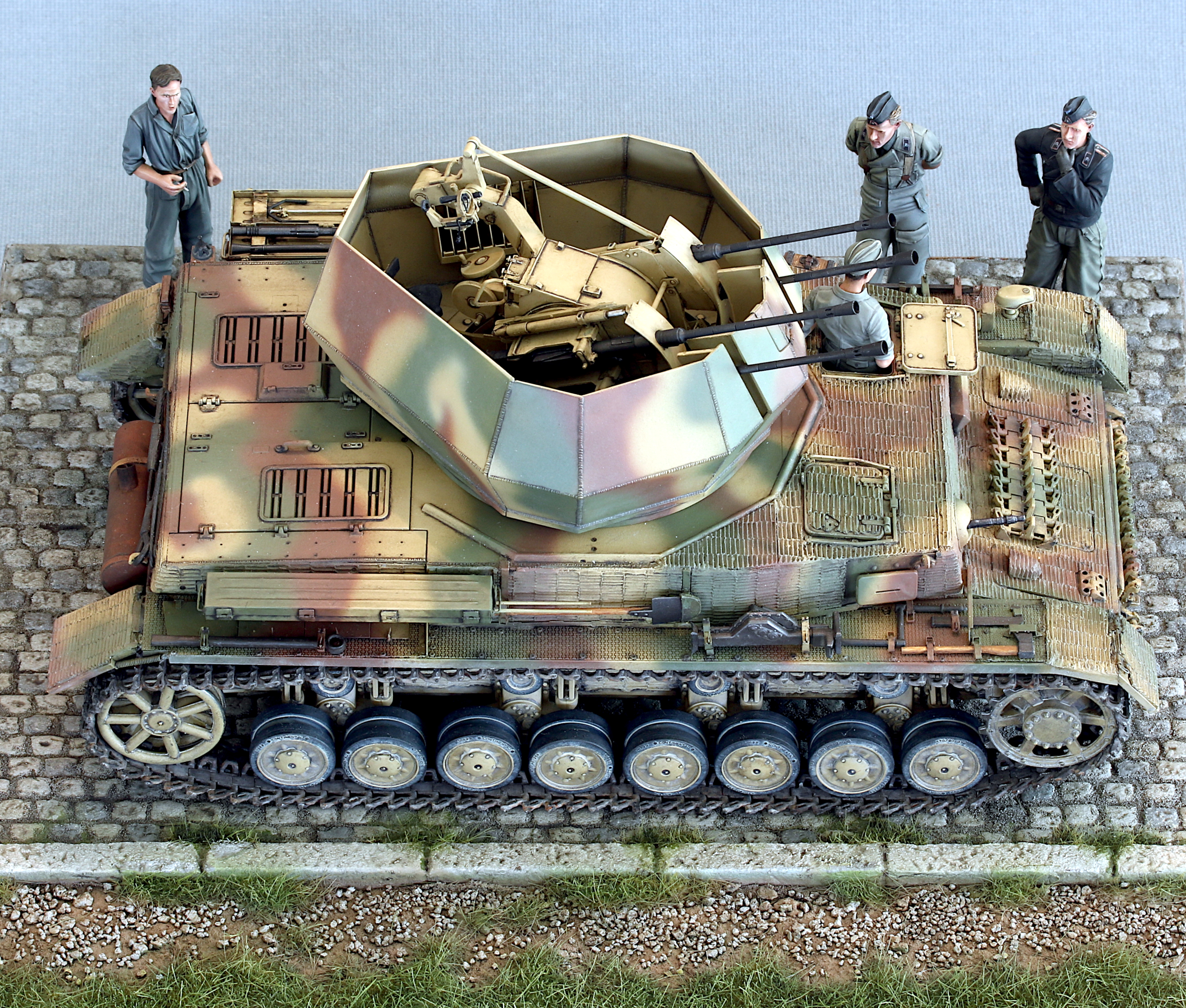
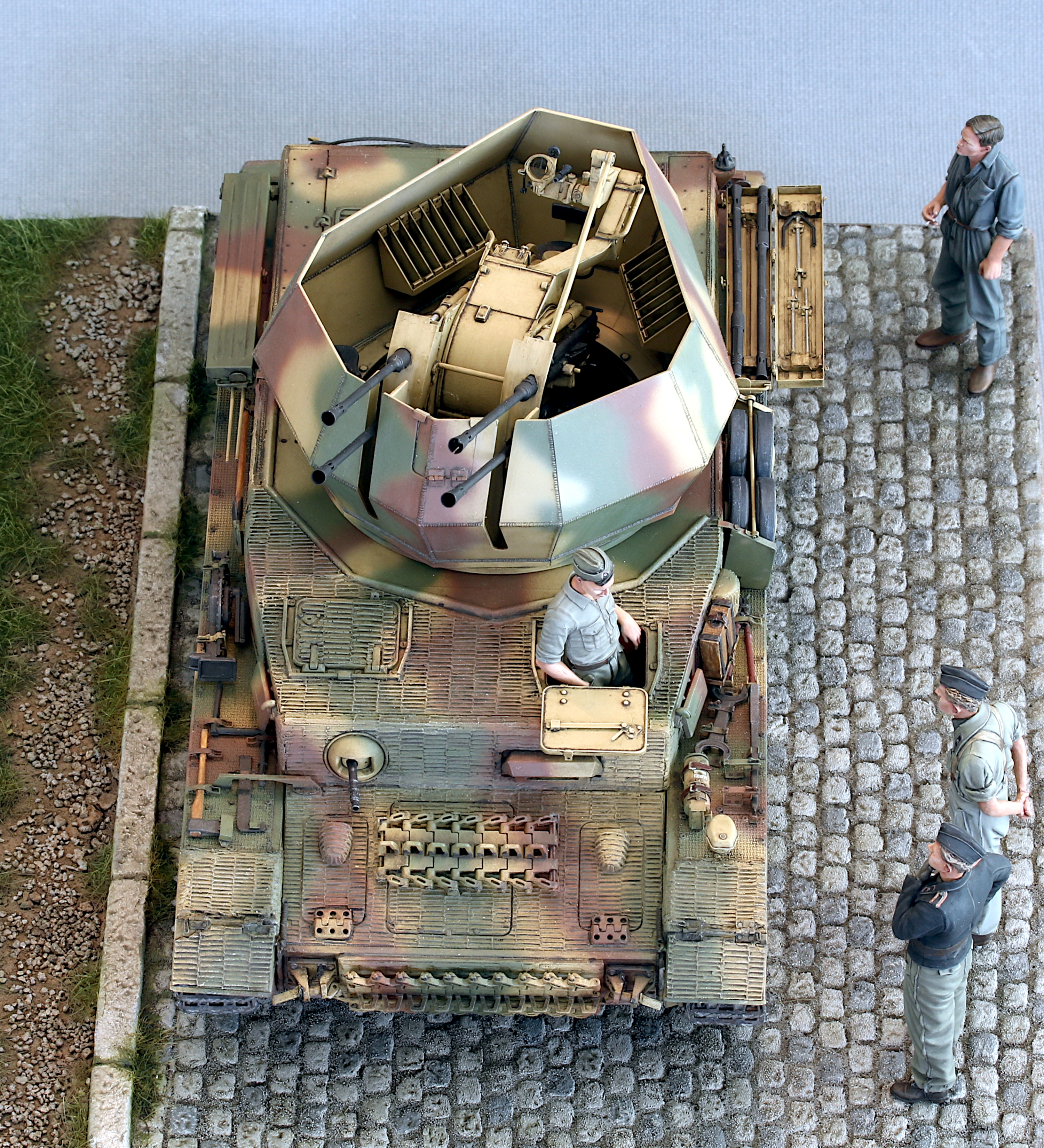
In total, just over 120 Wirbelwind vehicles were produced, and with at least two preserved examples still in existence, the technical details—including the turret traverse mechanism—are well documented. This makes the type particularly attractive from a modeling perspective, as reliable references are readily available.
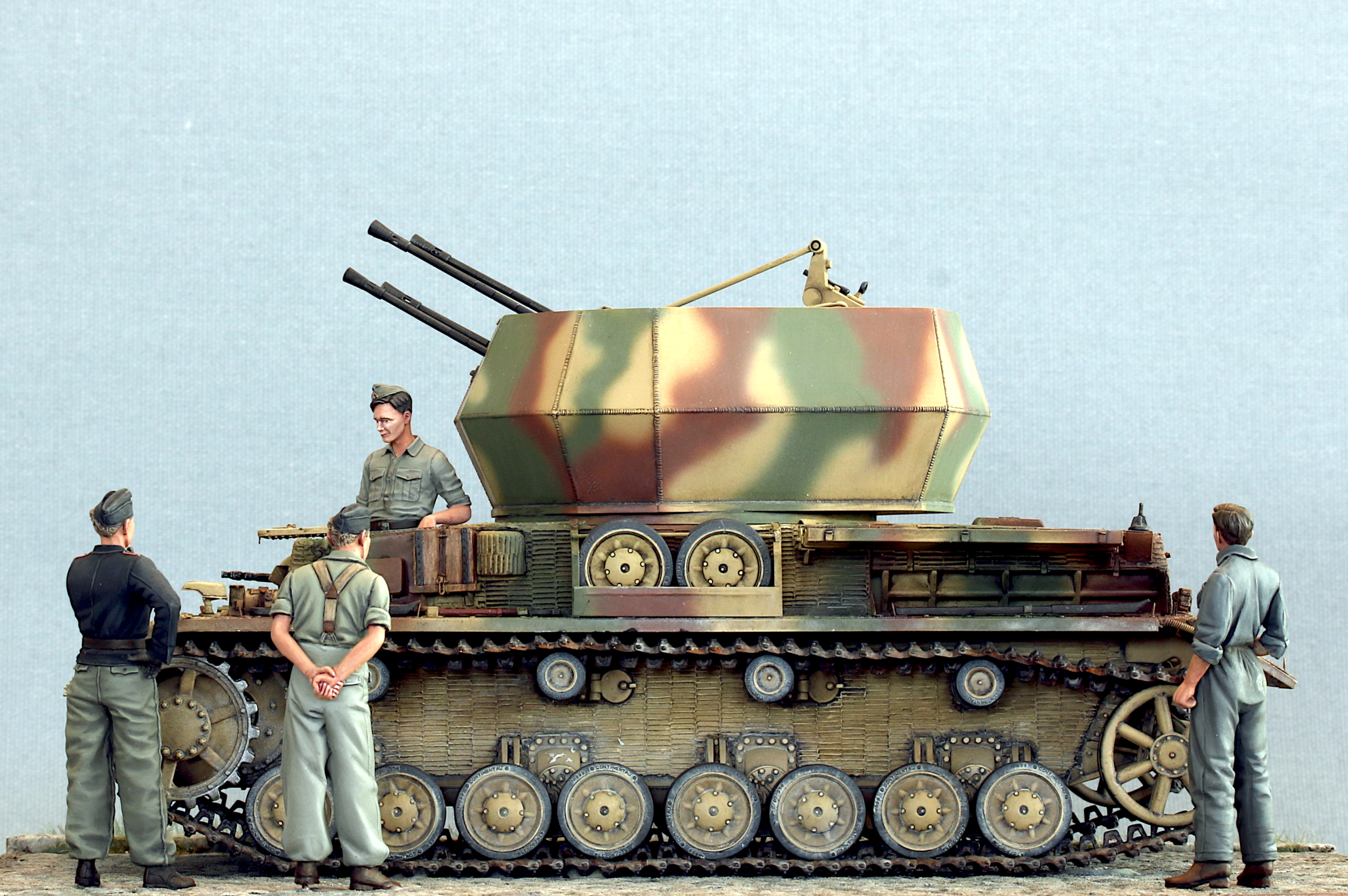
For this build, I selected a Dragon kit as the base, representing a Panzer IV Ausf. G hull. To enhance the model, I incorporated Atak Zimmerit sheets, Voyager photo-etched details, and Friulmodel metal tracks, all of which contribute to a more refined and realistic finish.
The intention was to depict one of the earliest production vehicles in a near-pristine condition, as it might have appeared in the factory yard at Sagan during the summer of 1944—freshly assembled and not yet exposed to the wear and tear of frontline service.
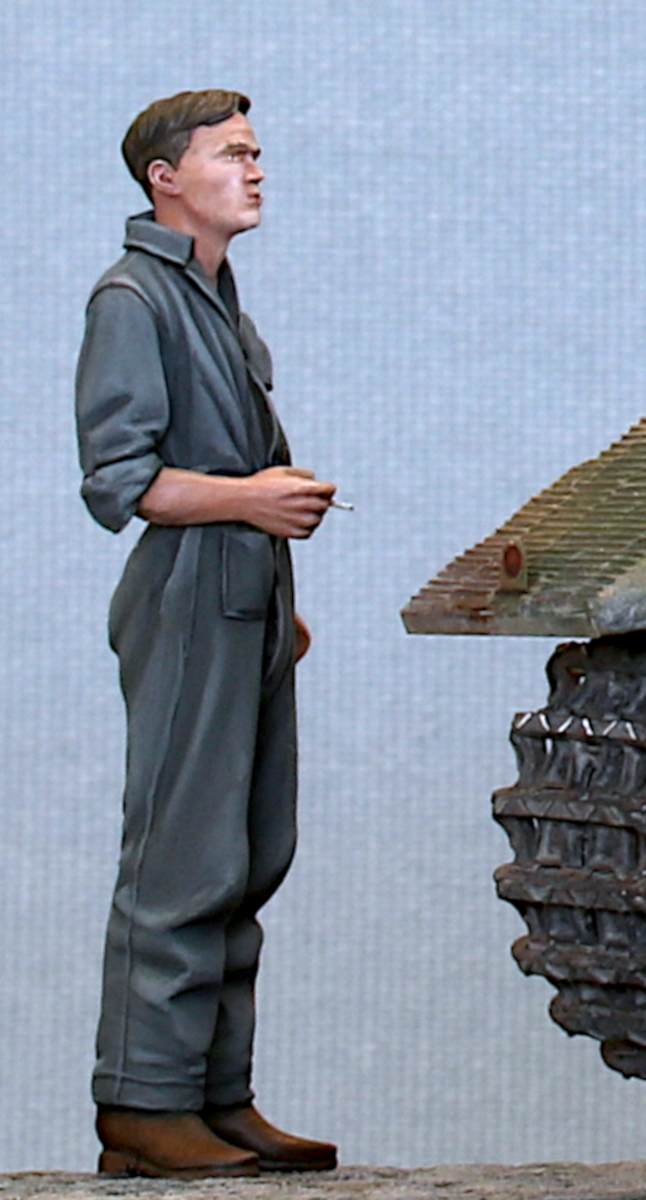
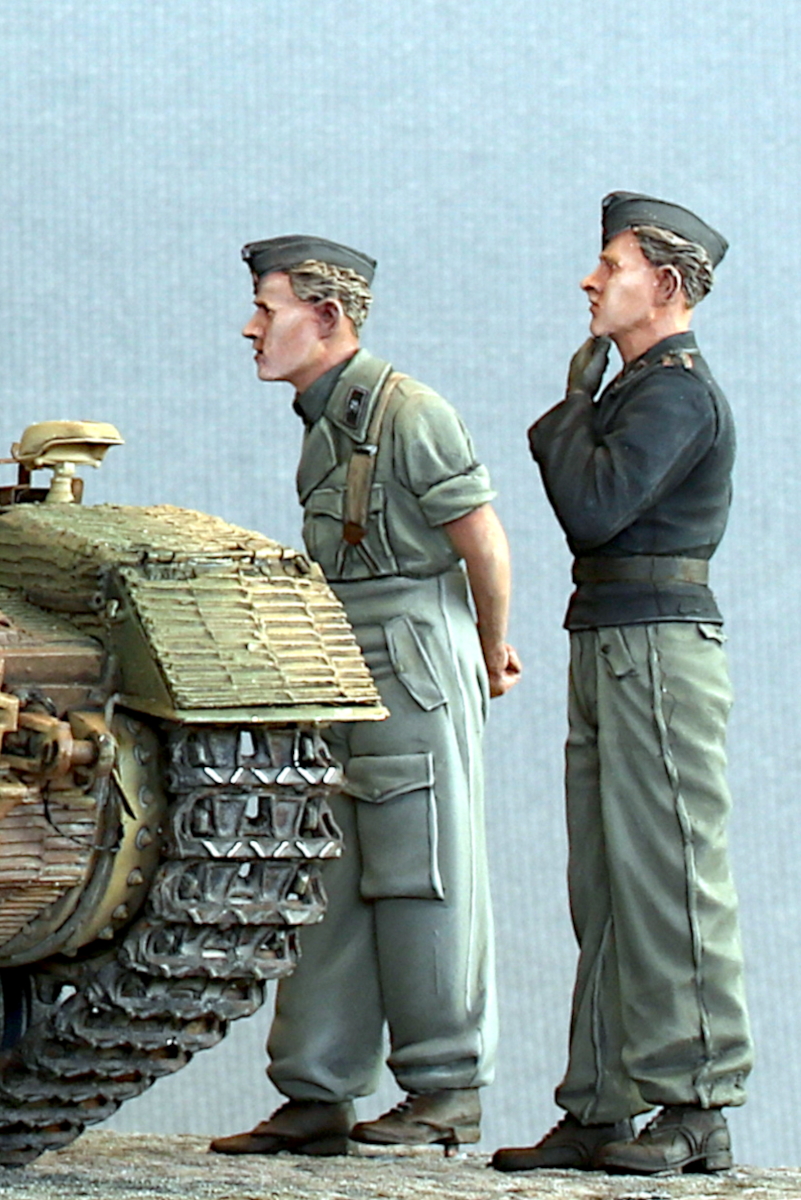
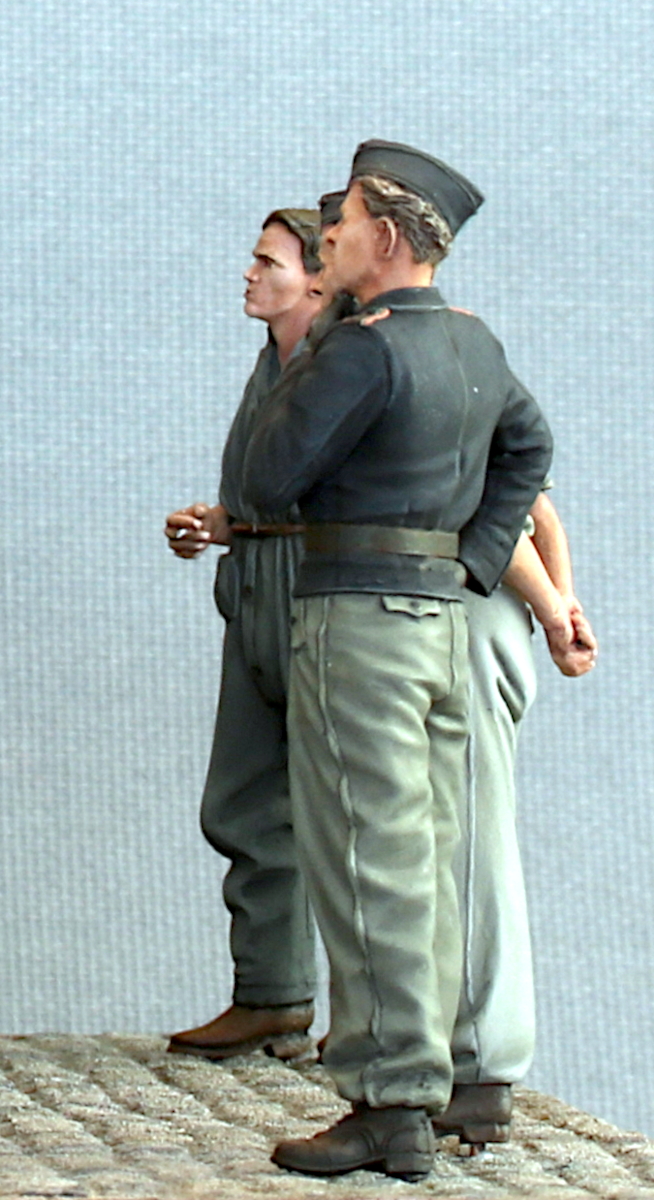
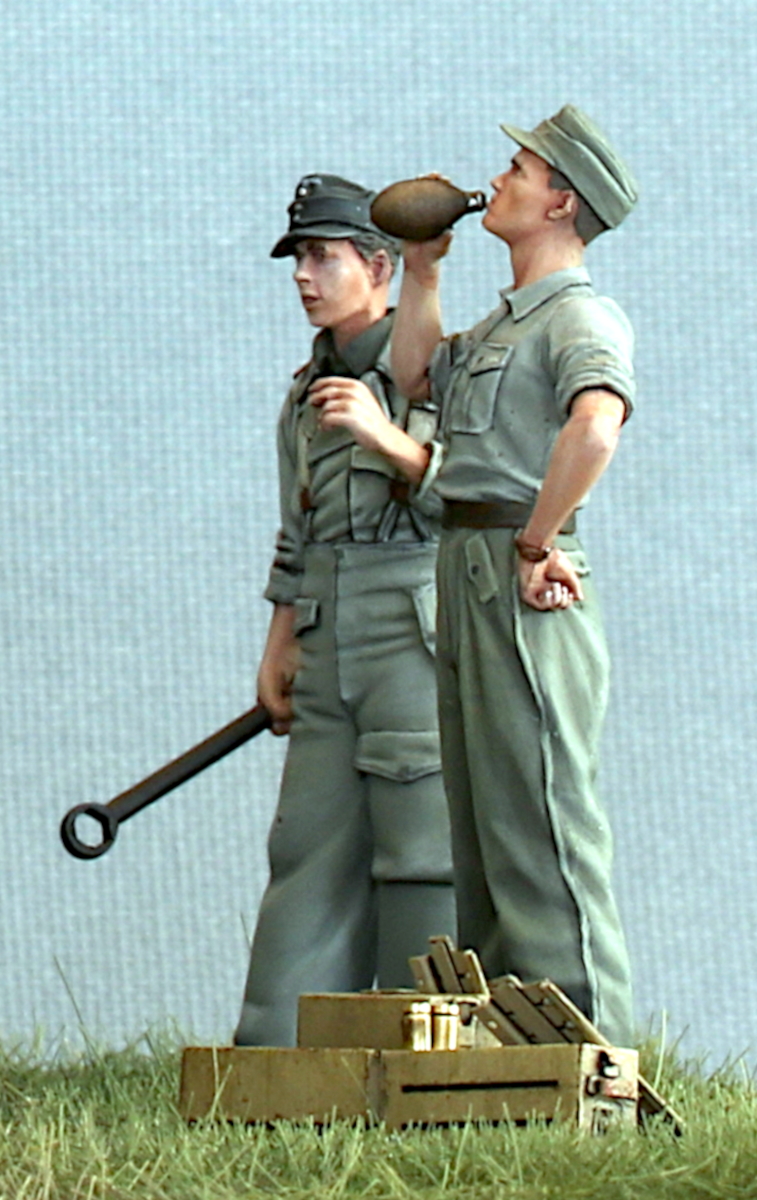
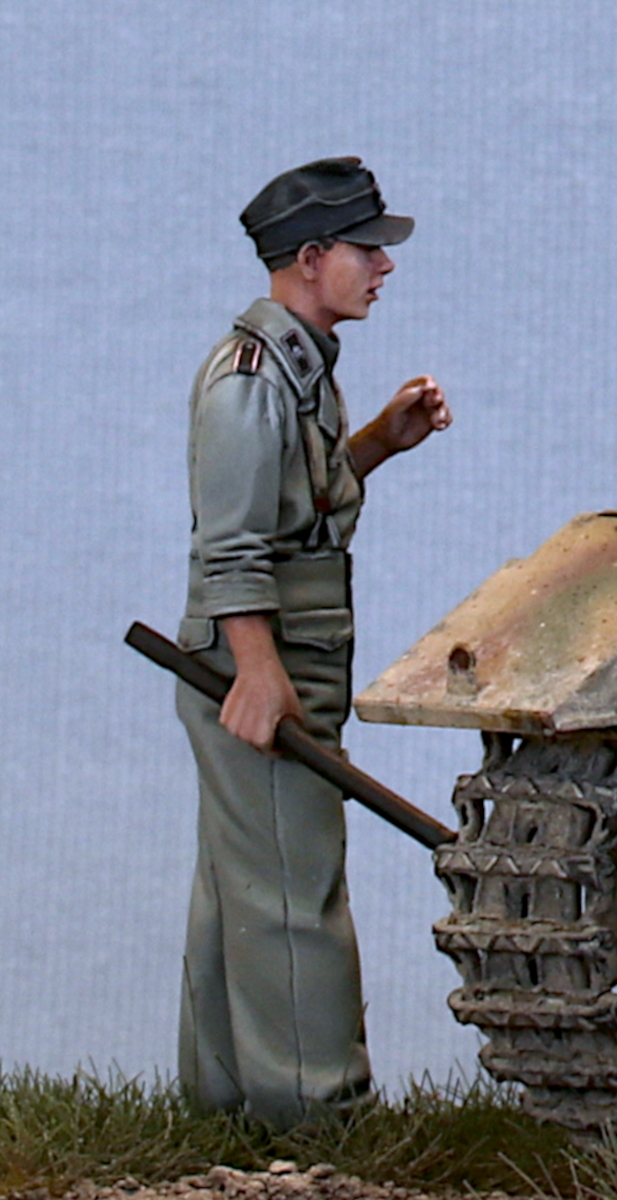
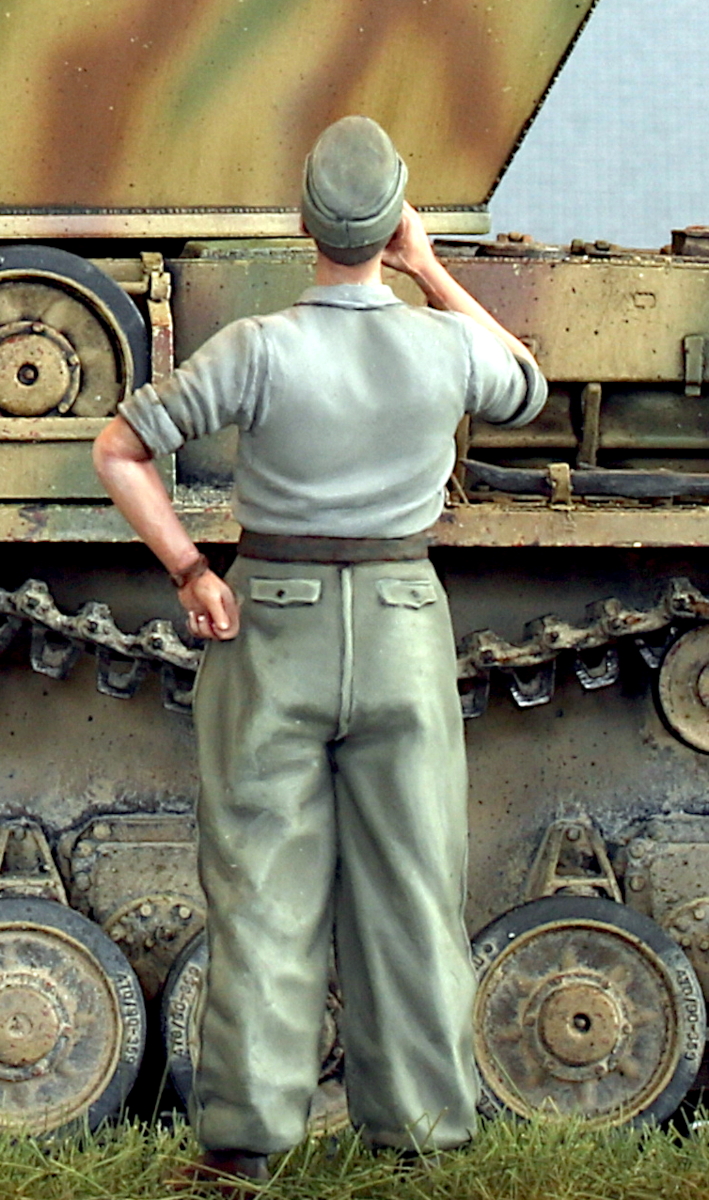
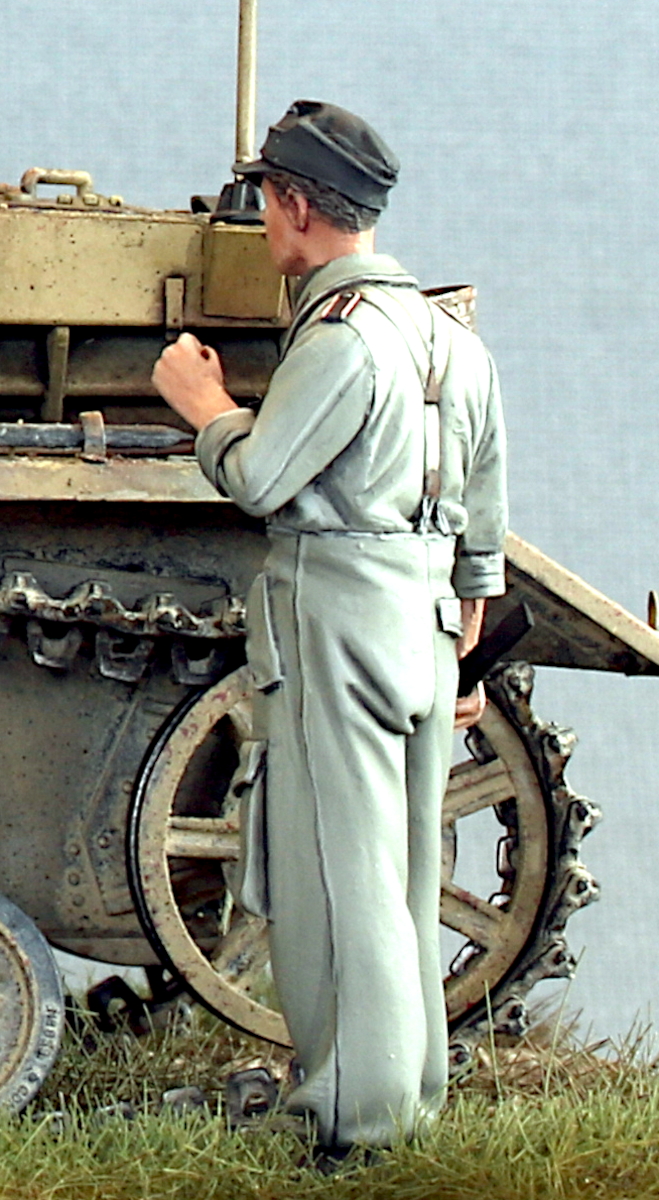
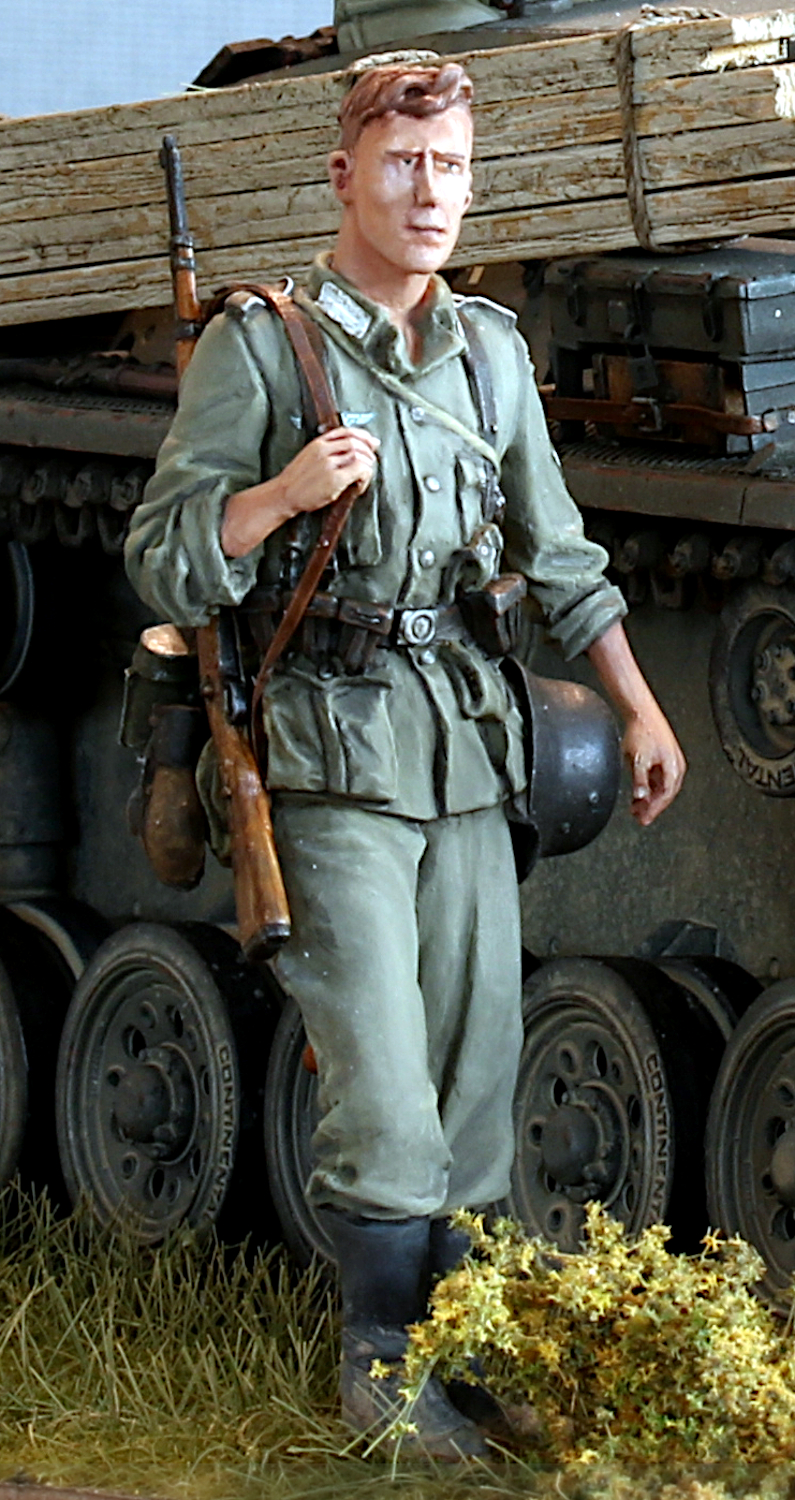
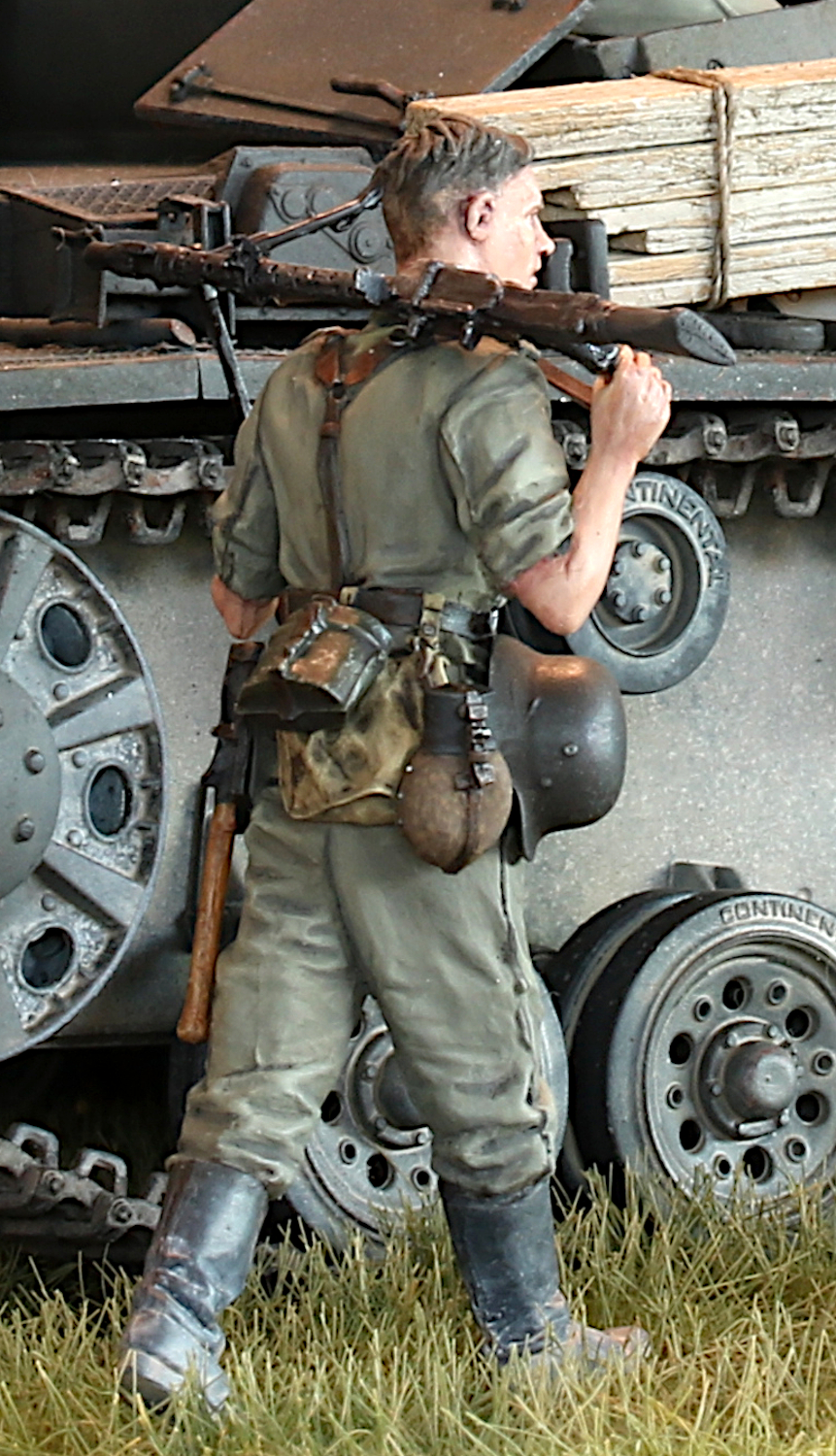
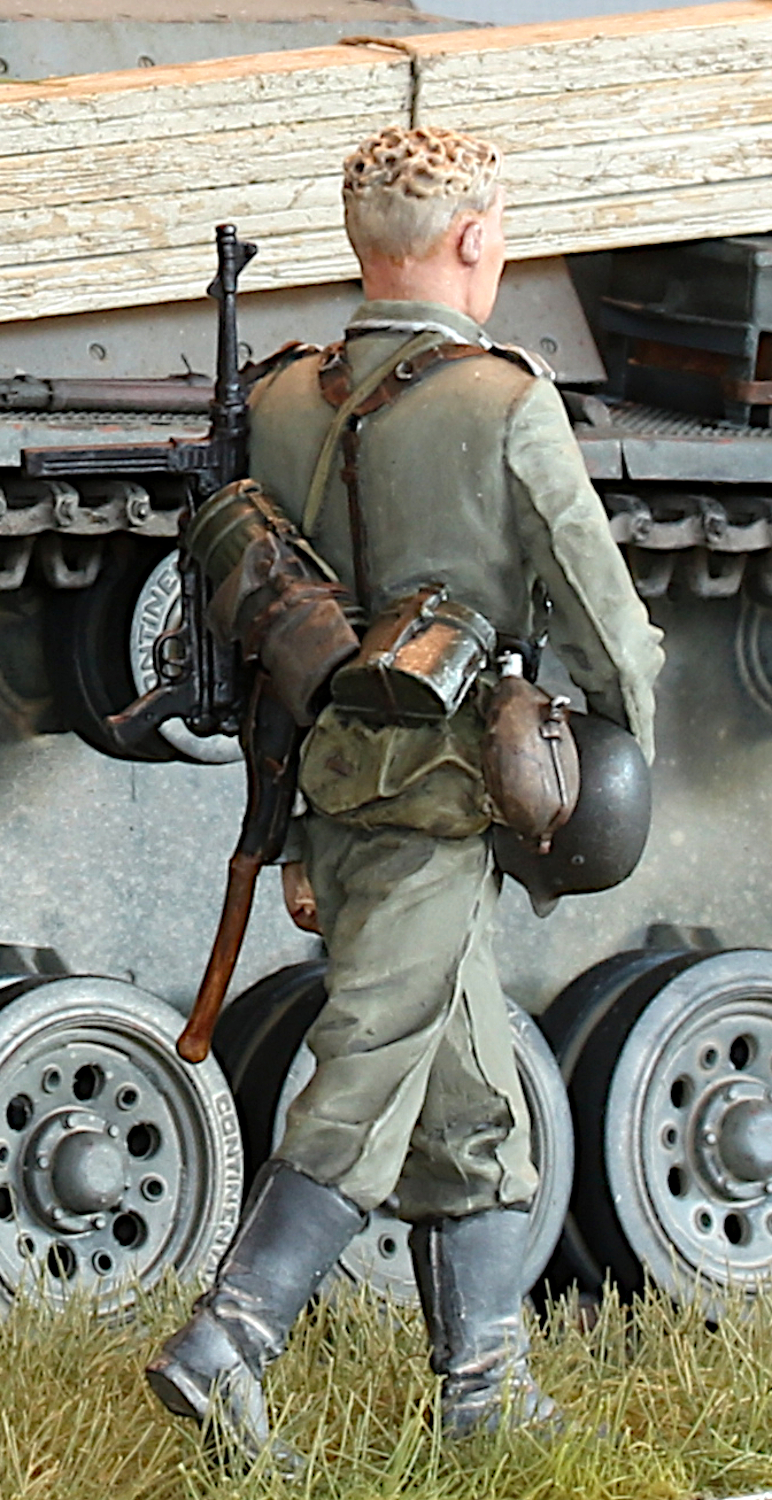
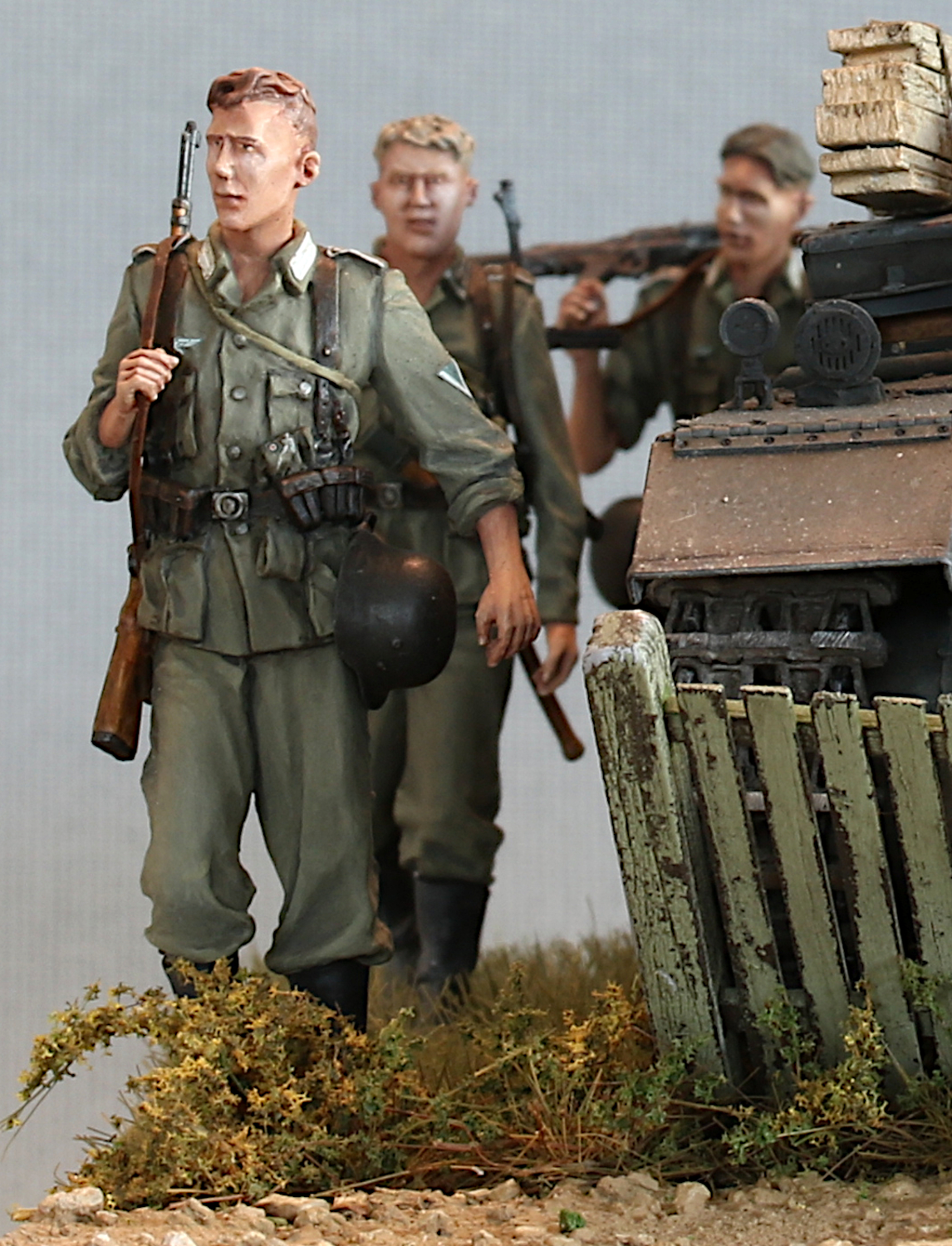
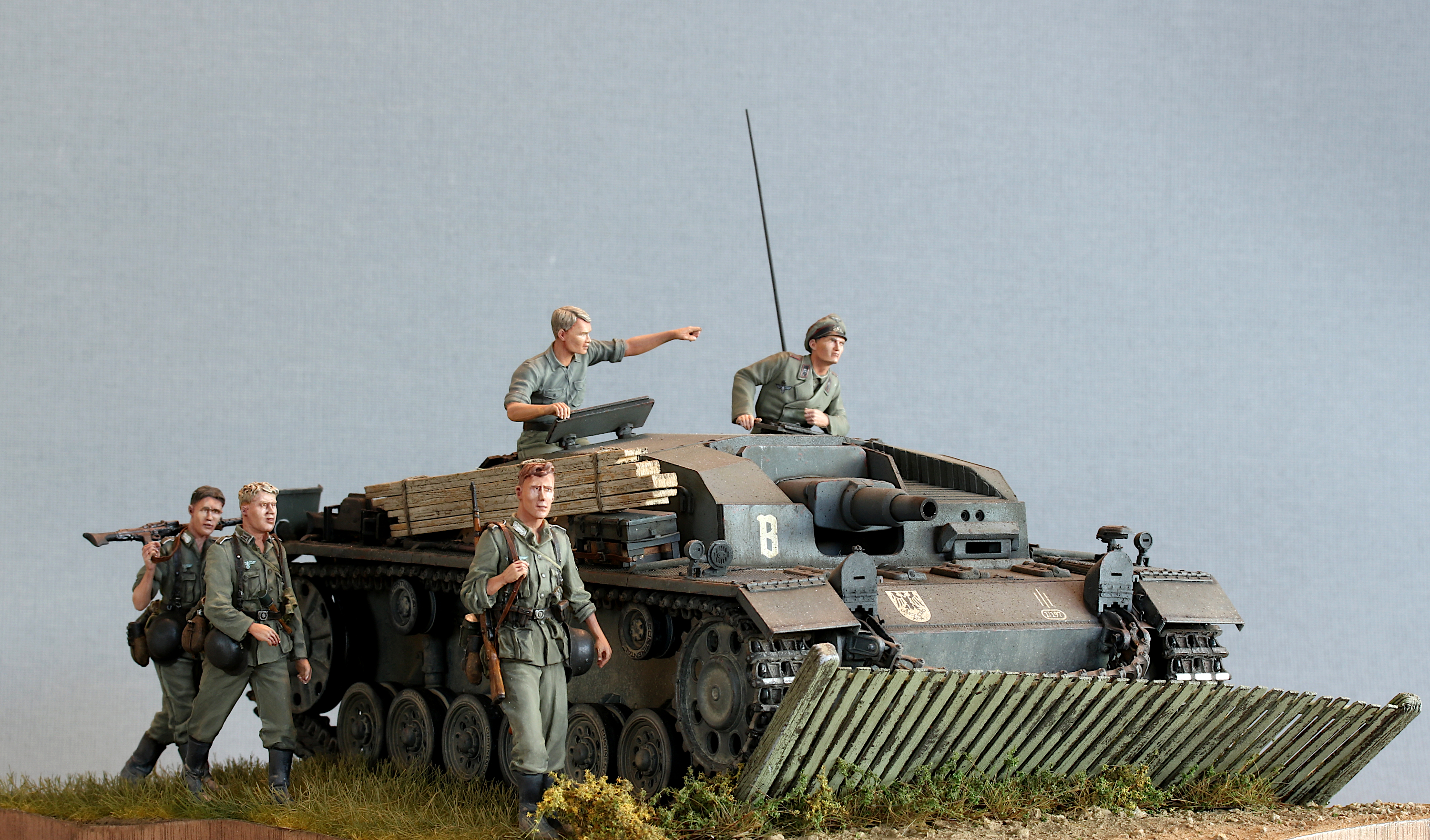
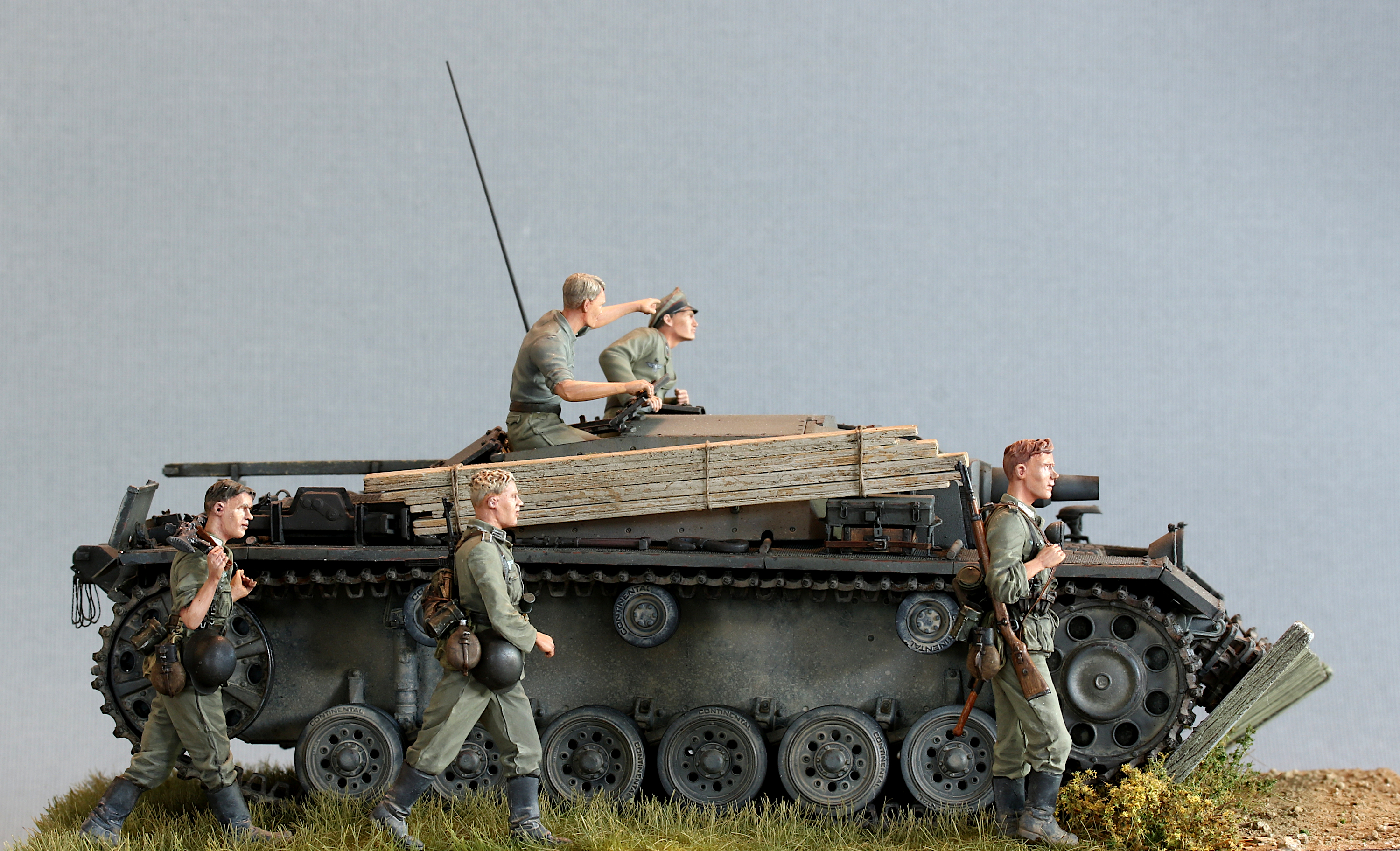
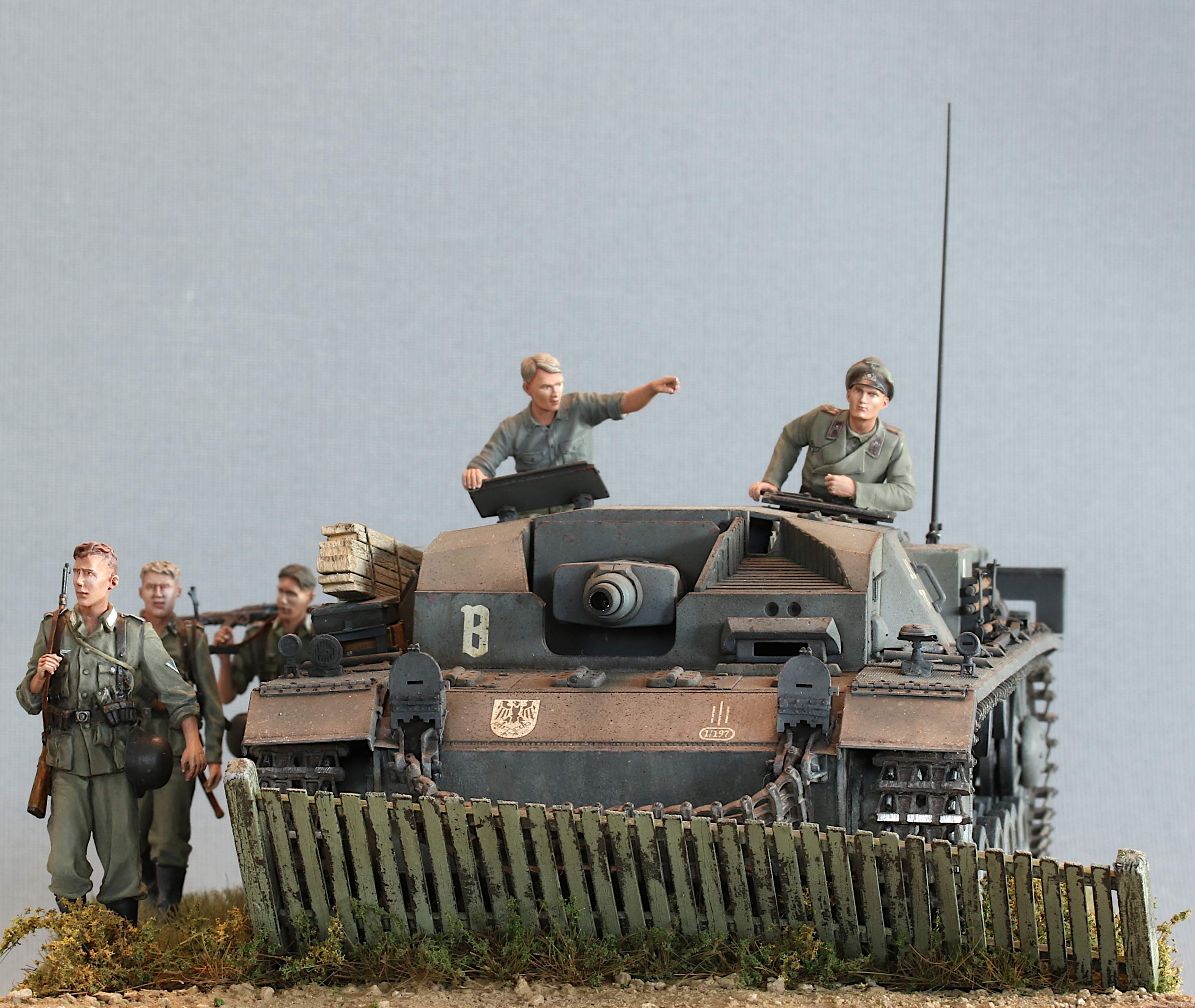
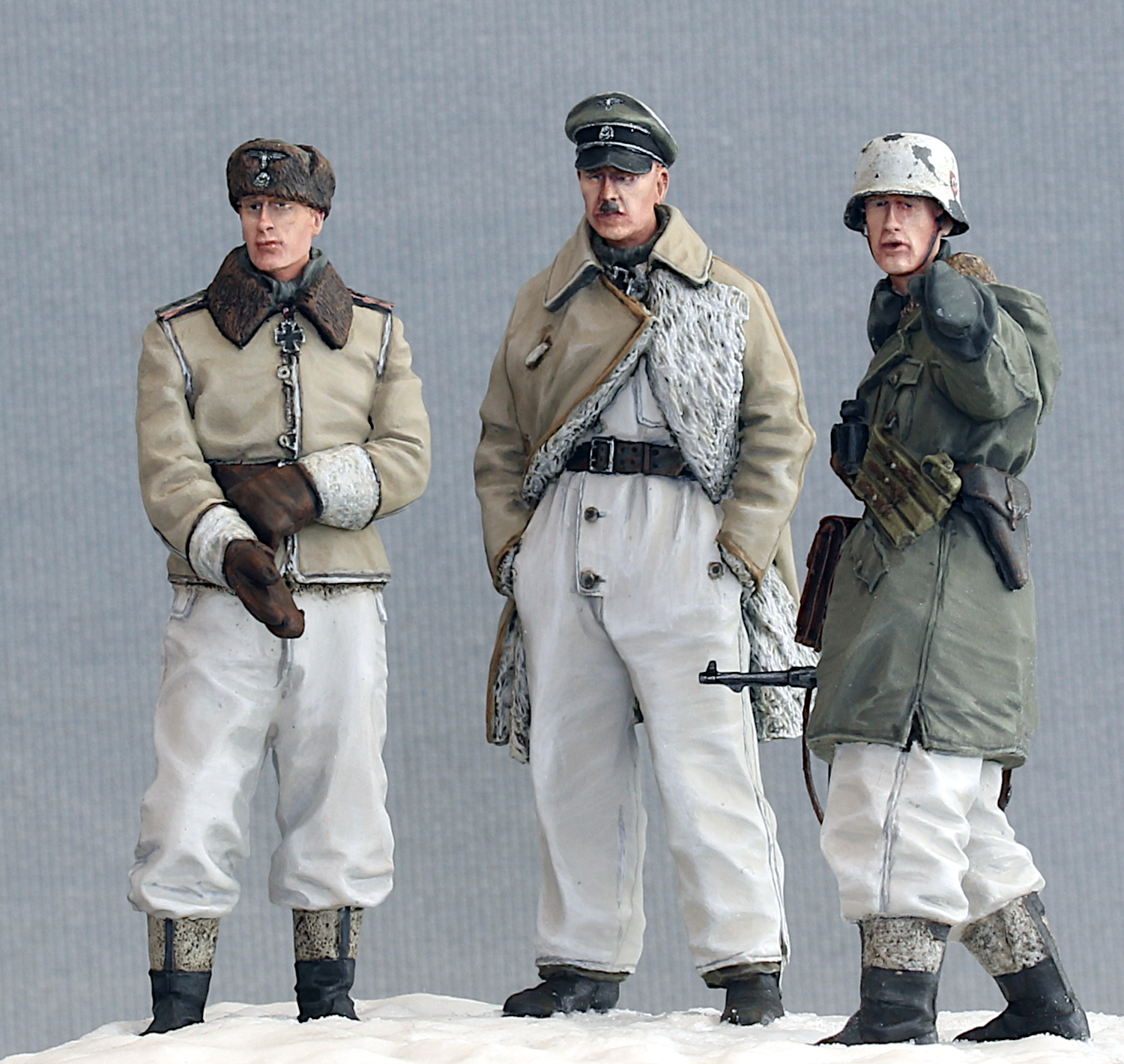
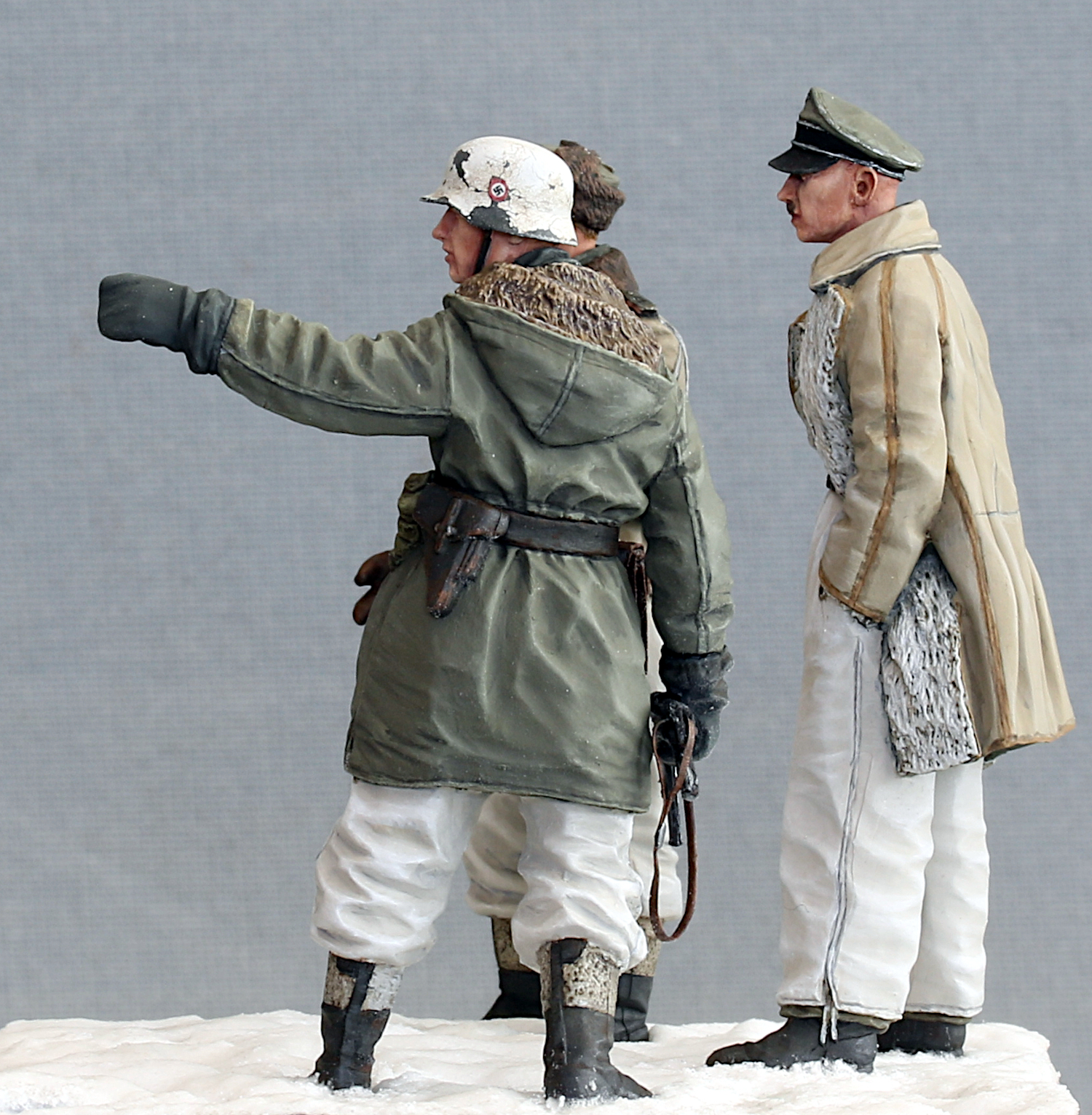
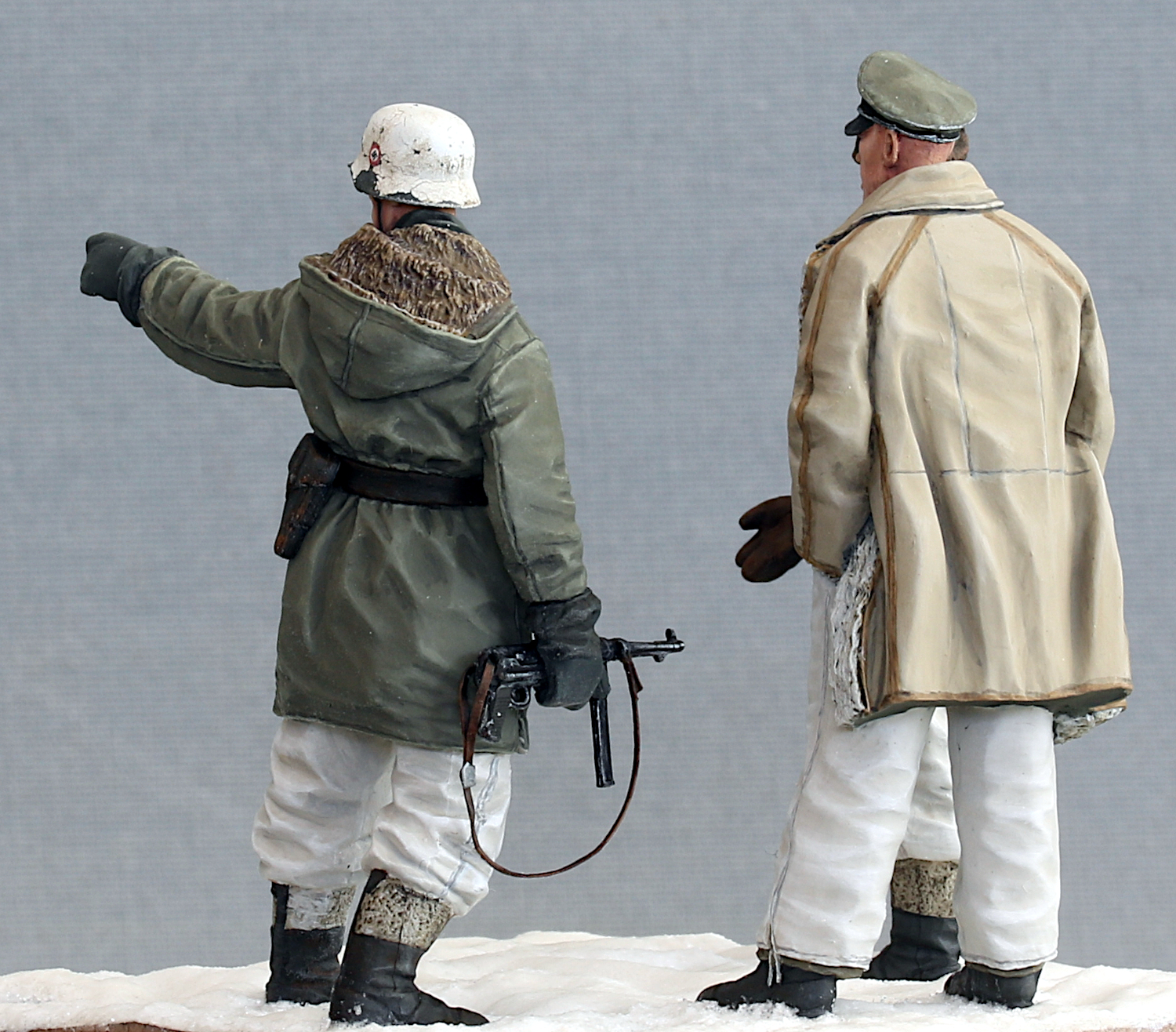
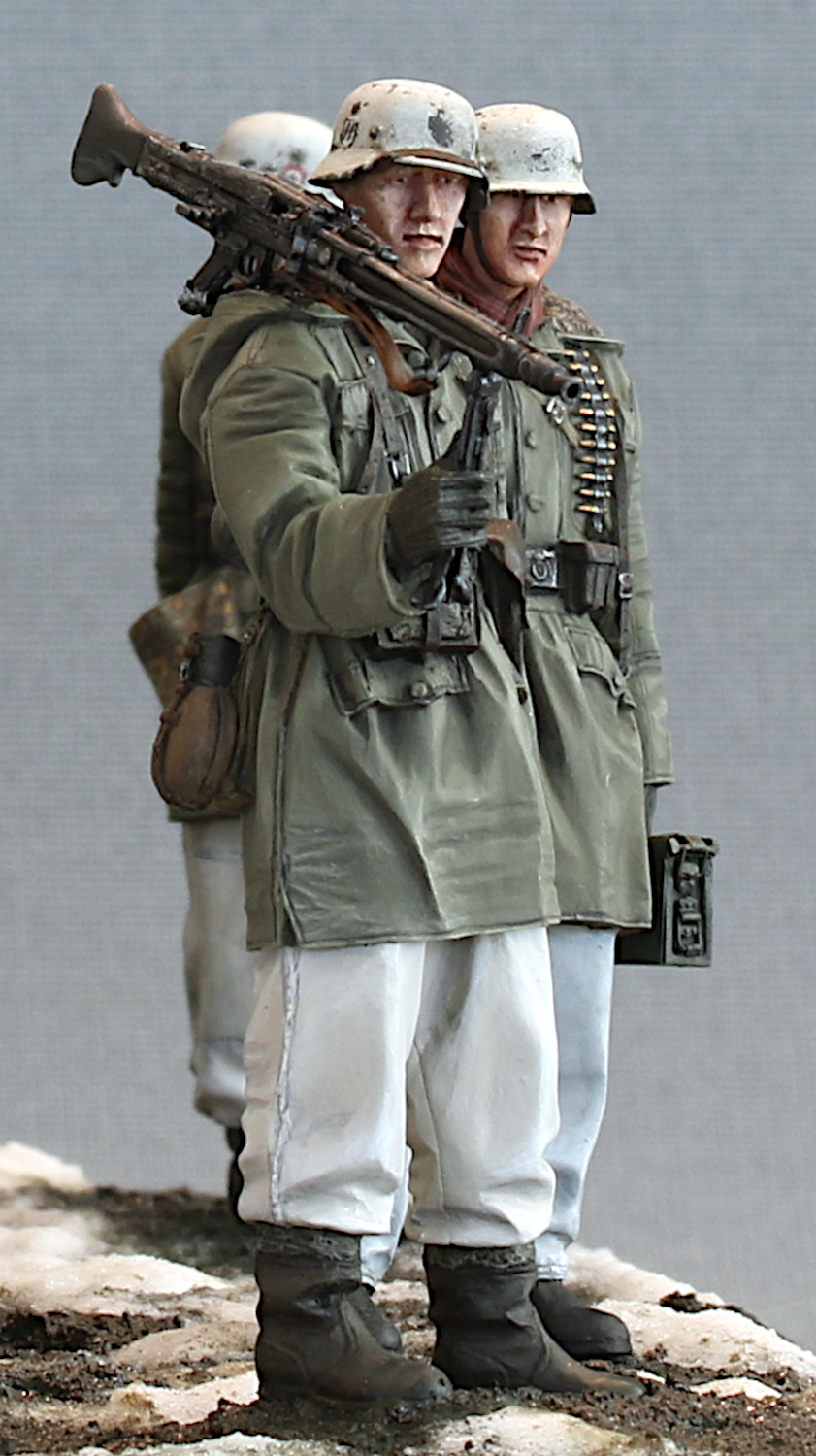
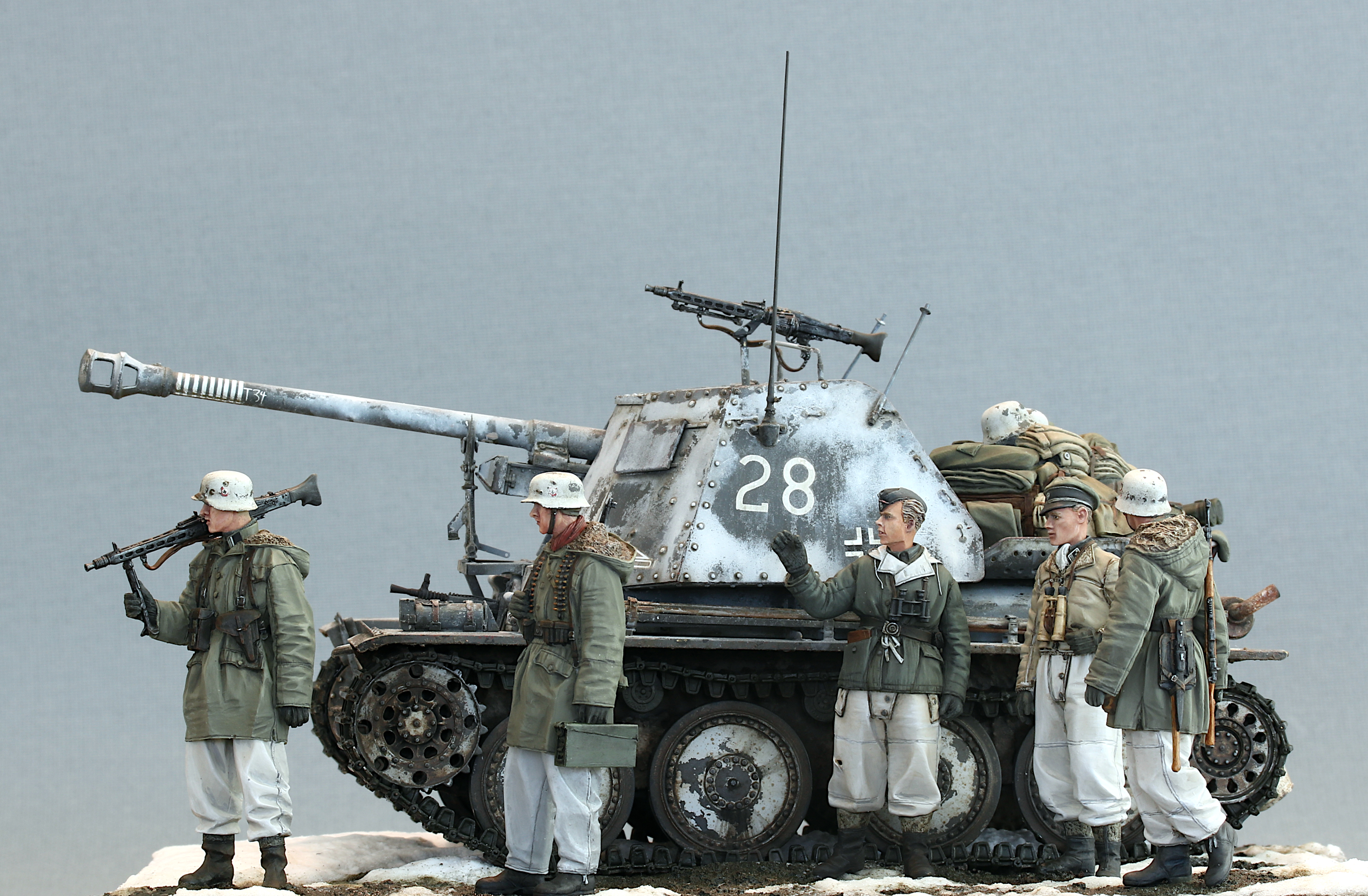
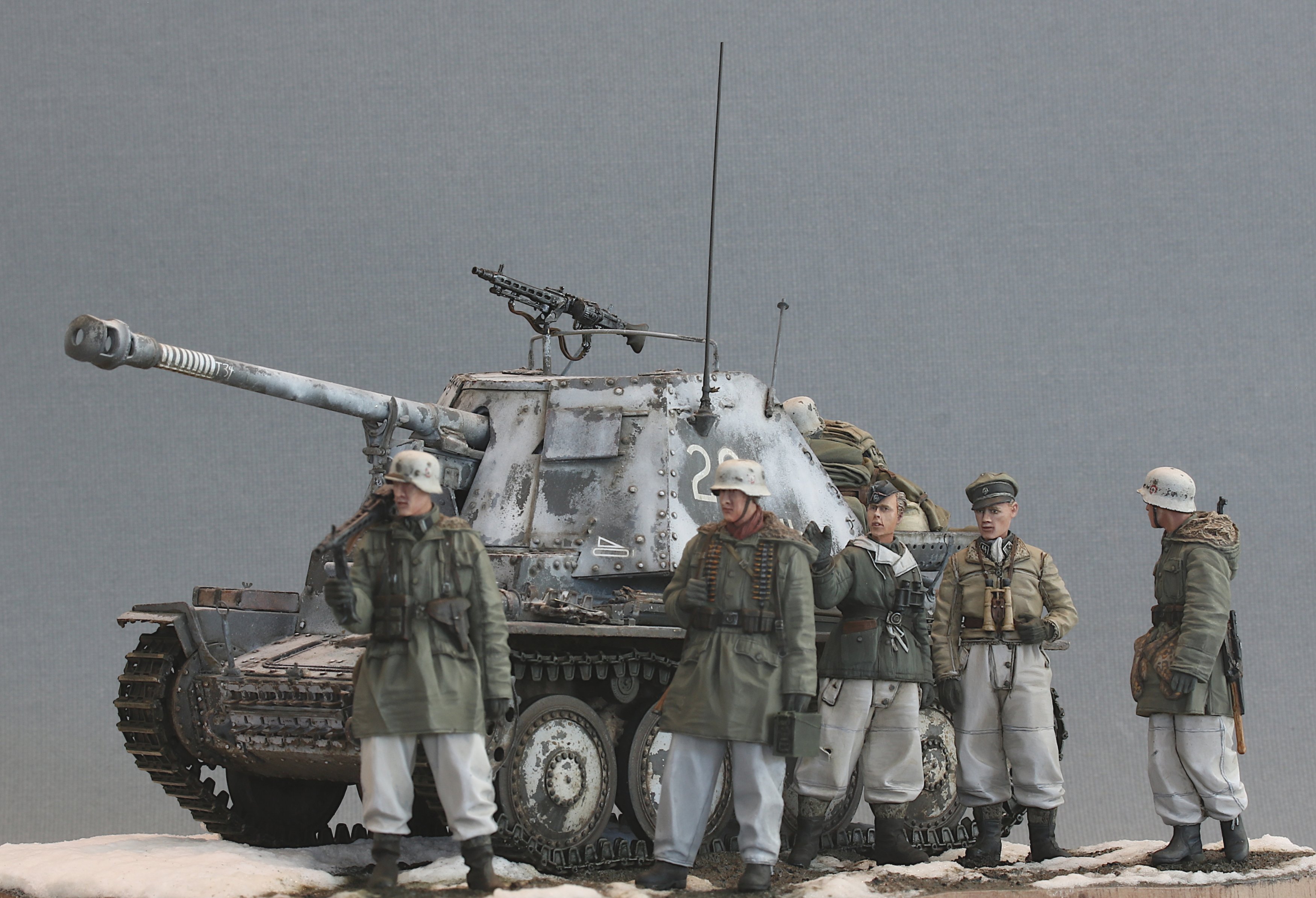
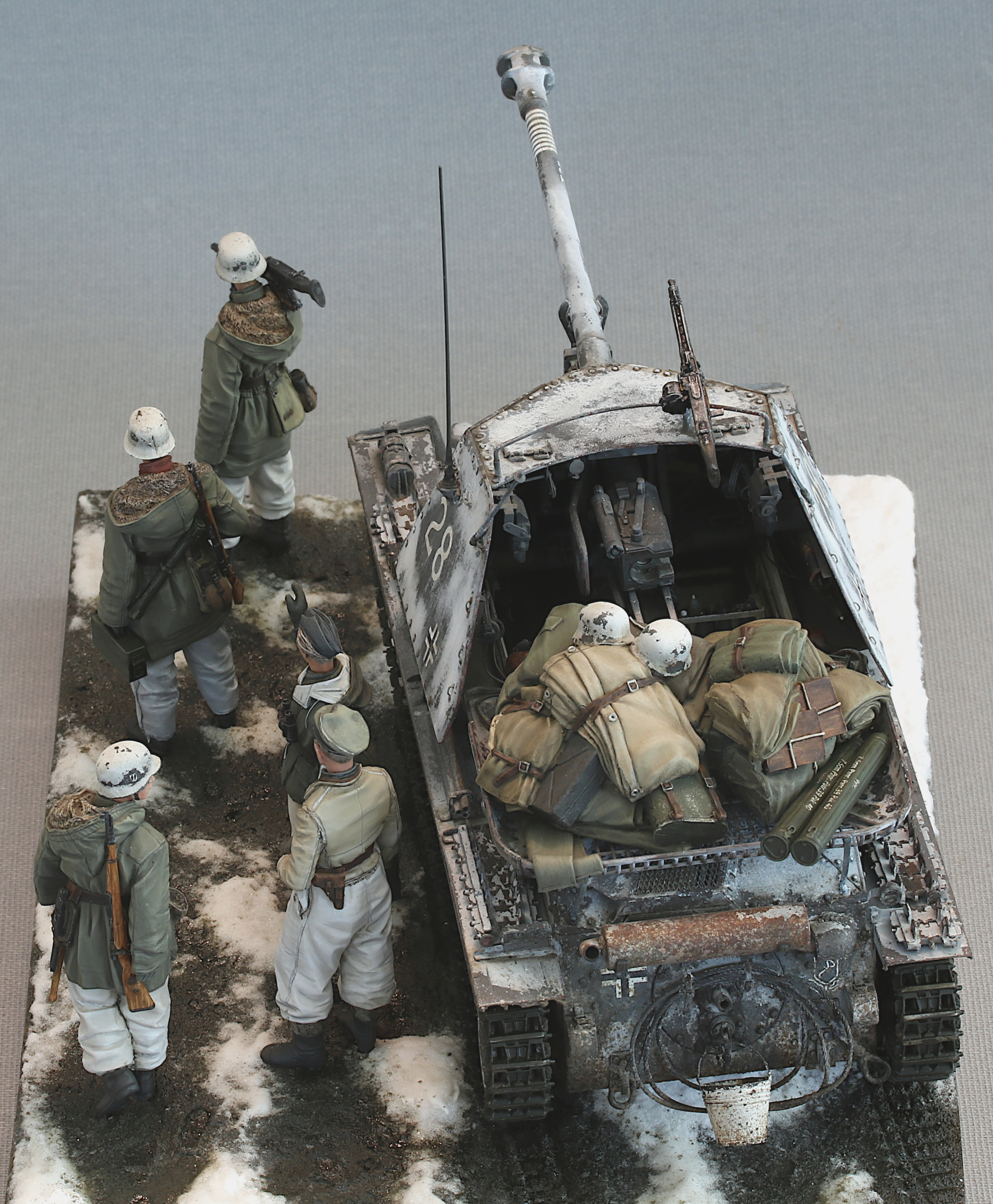
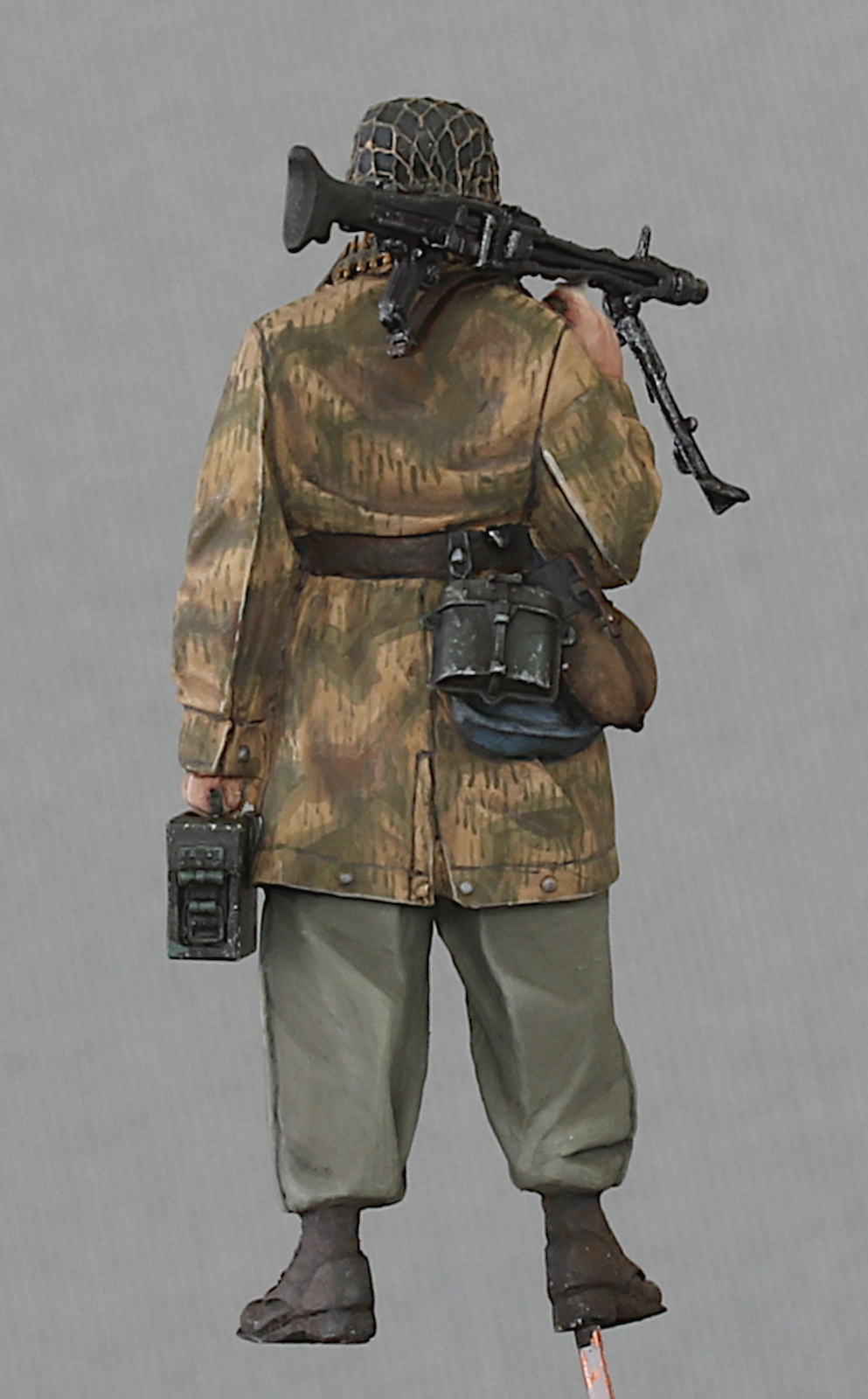
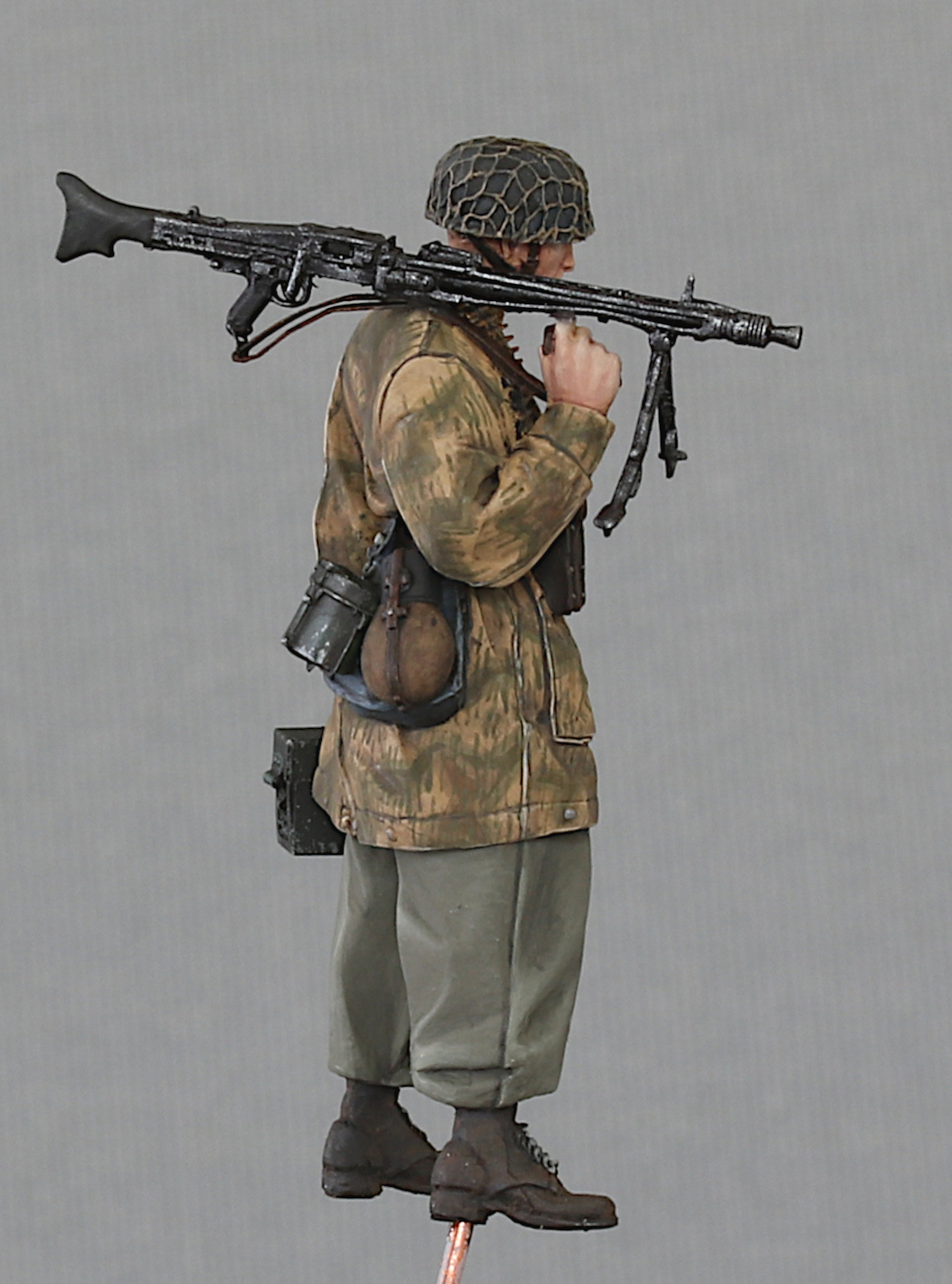
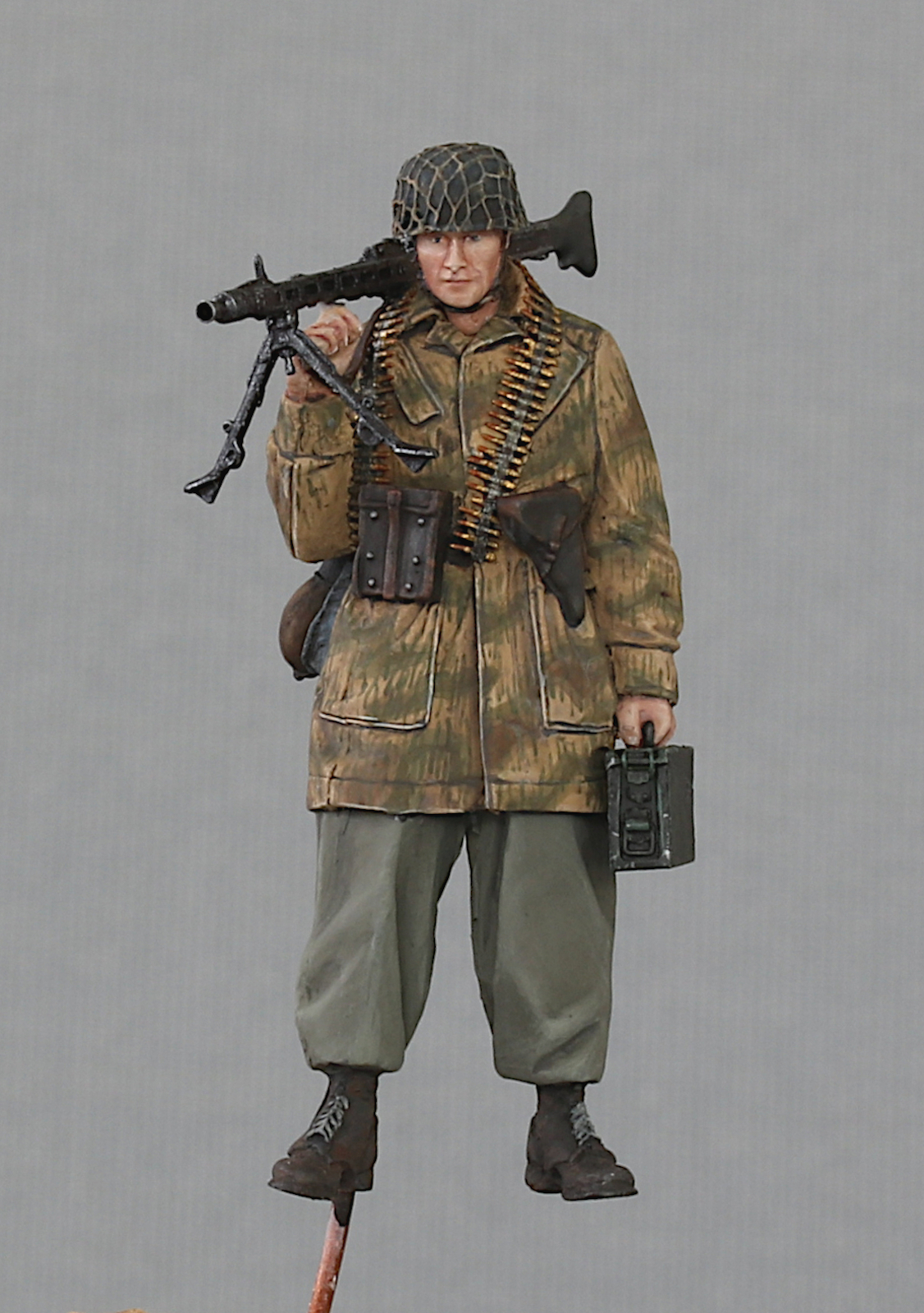
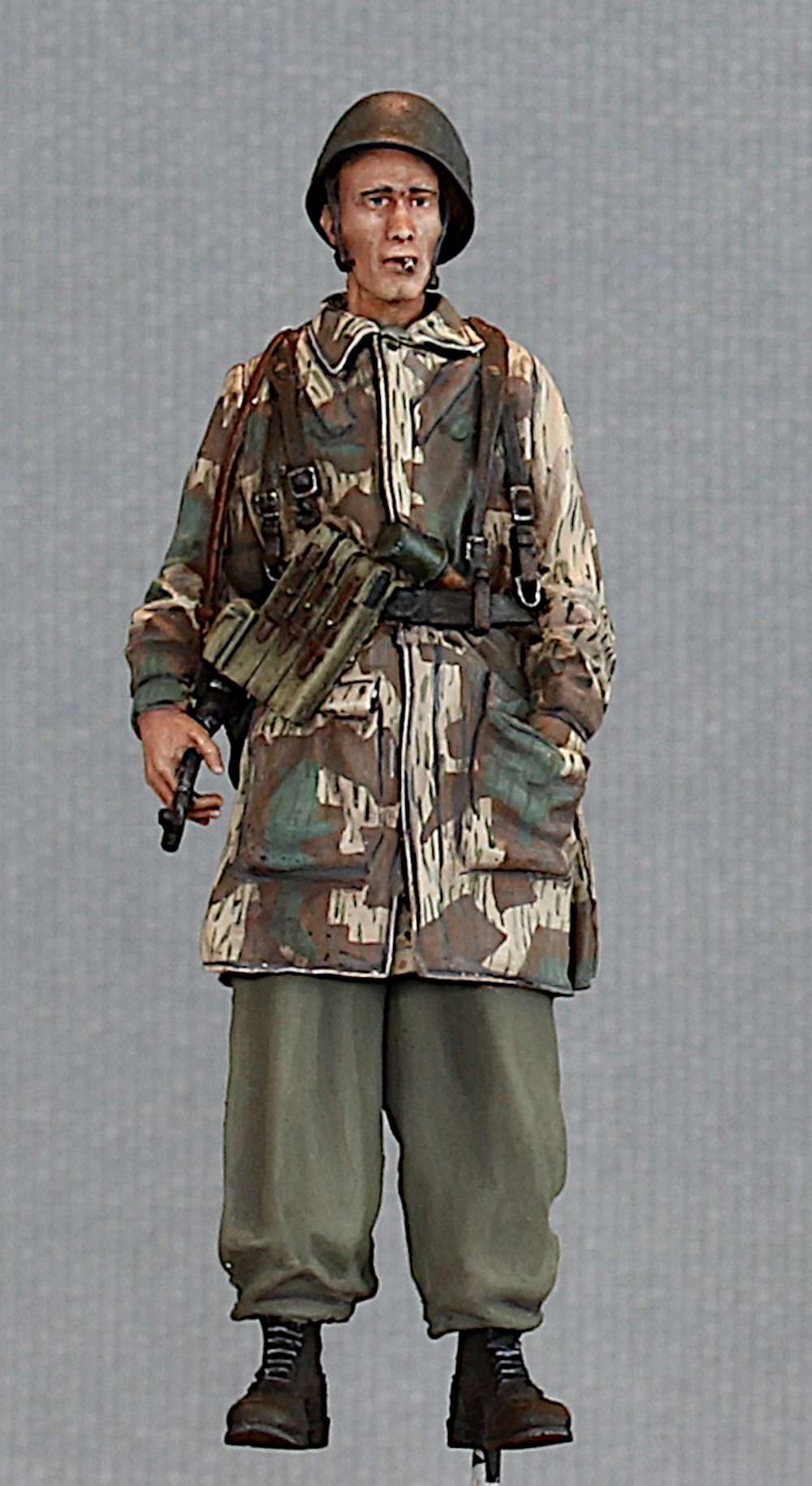
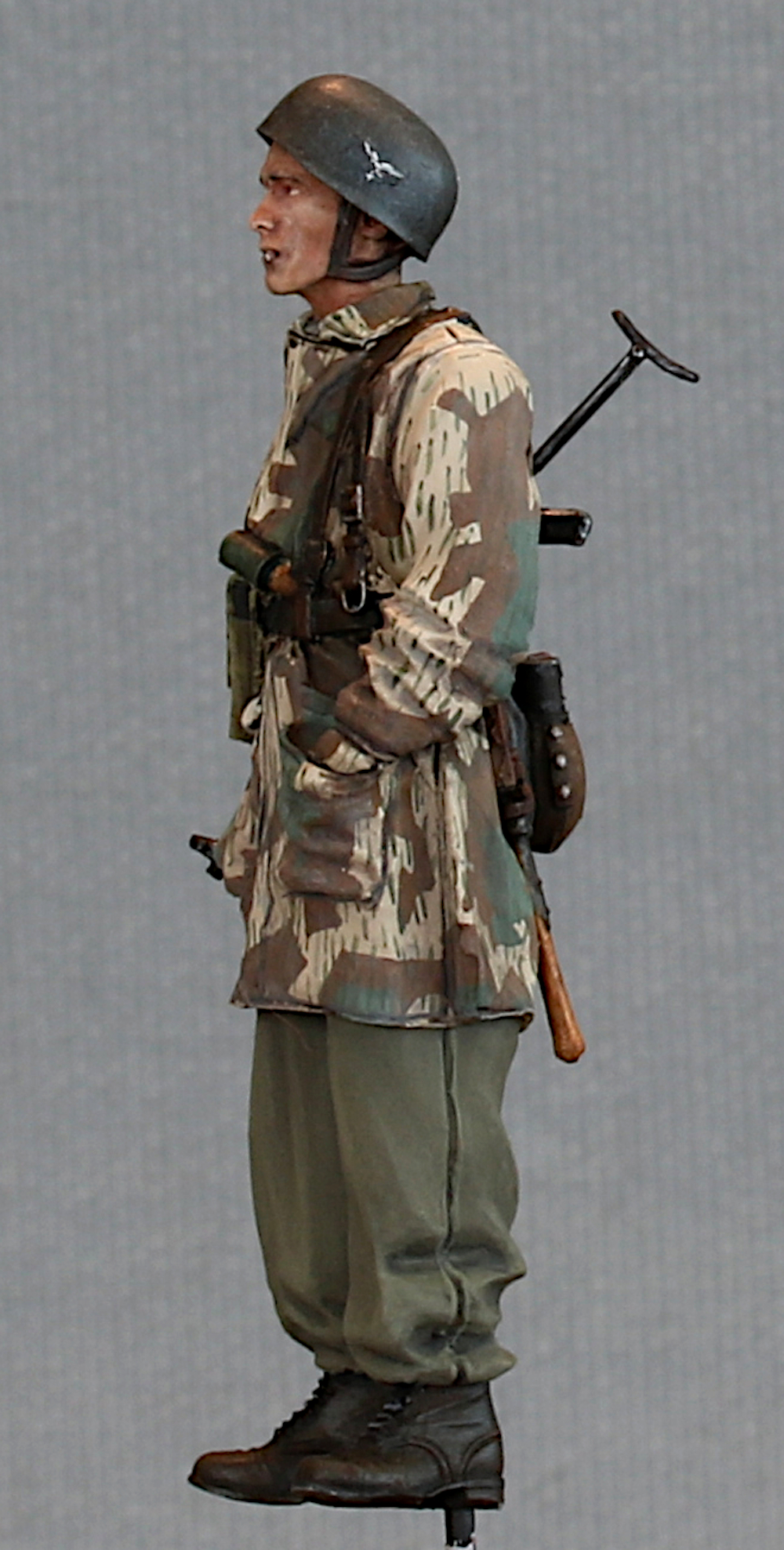
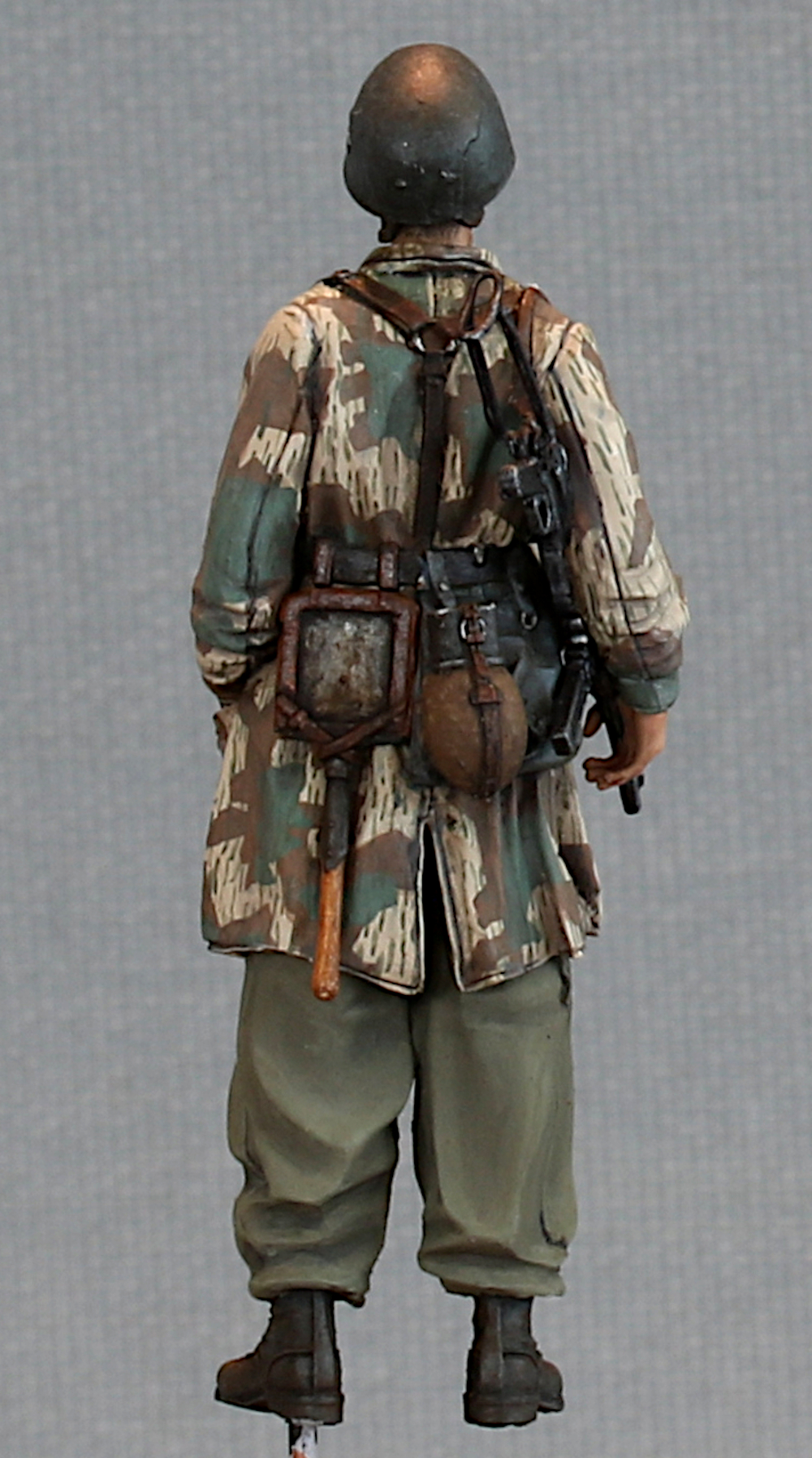
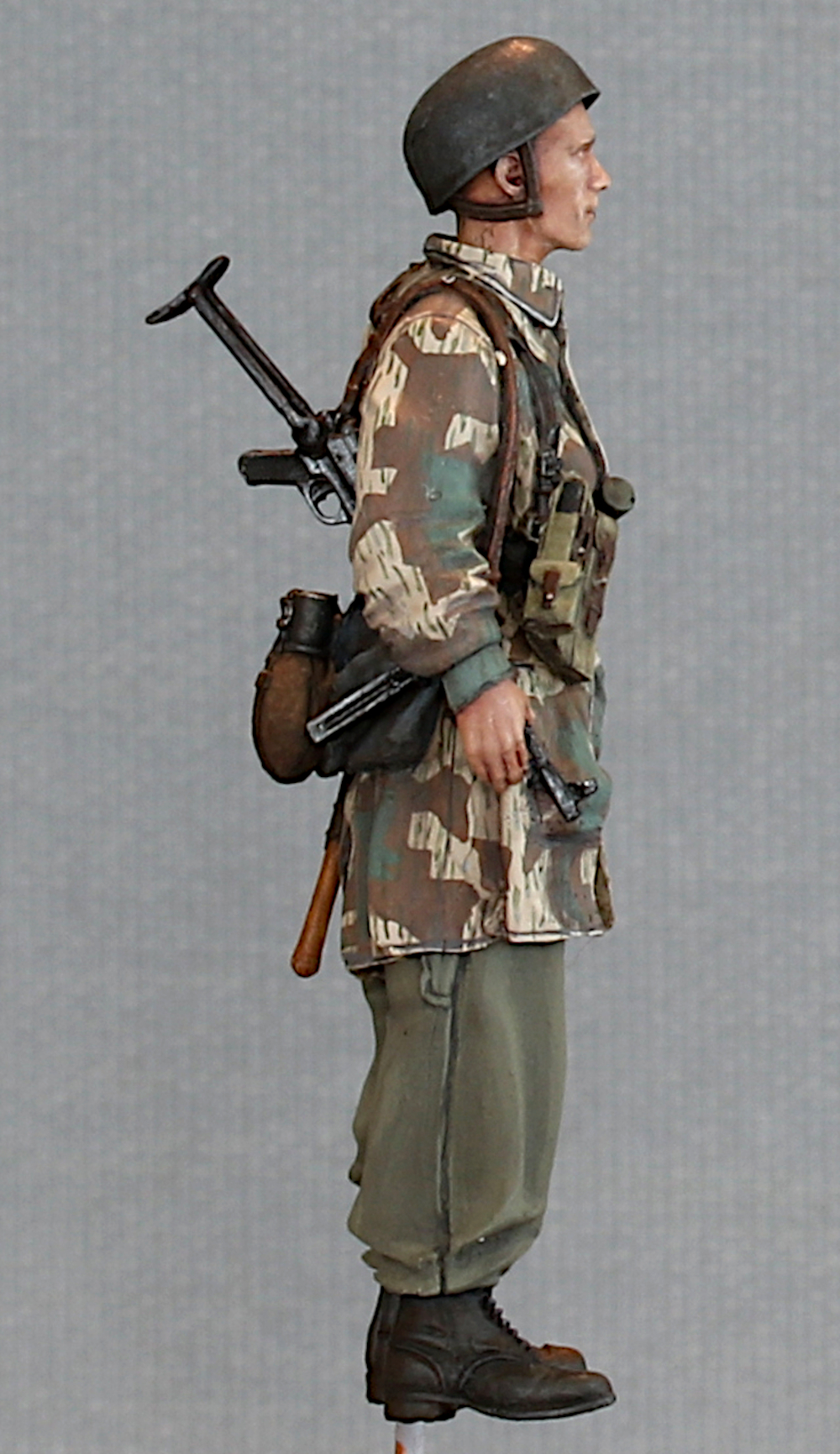
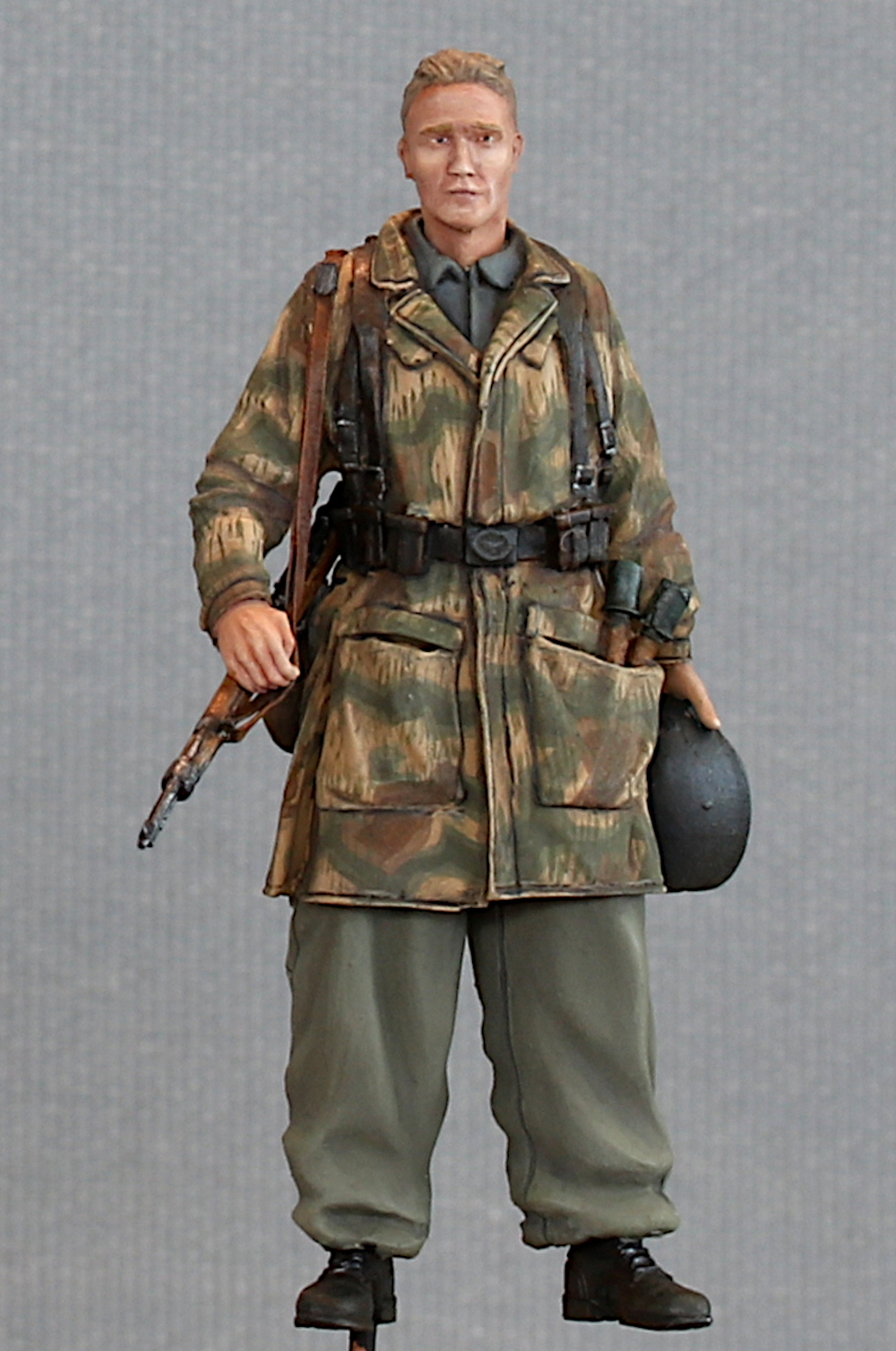
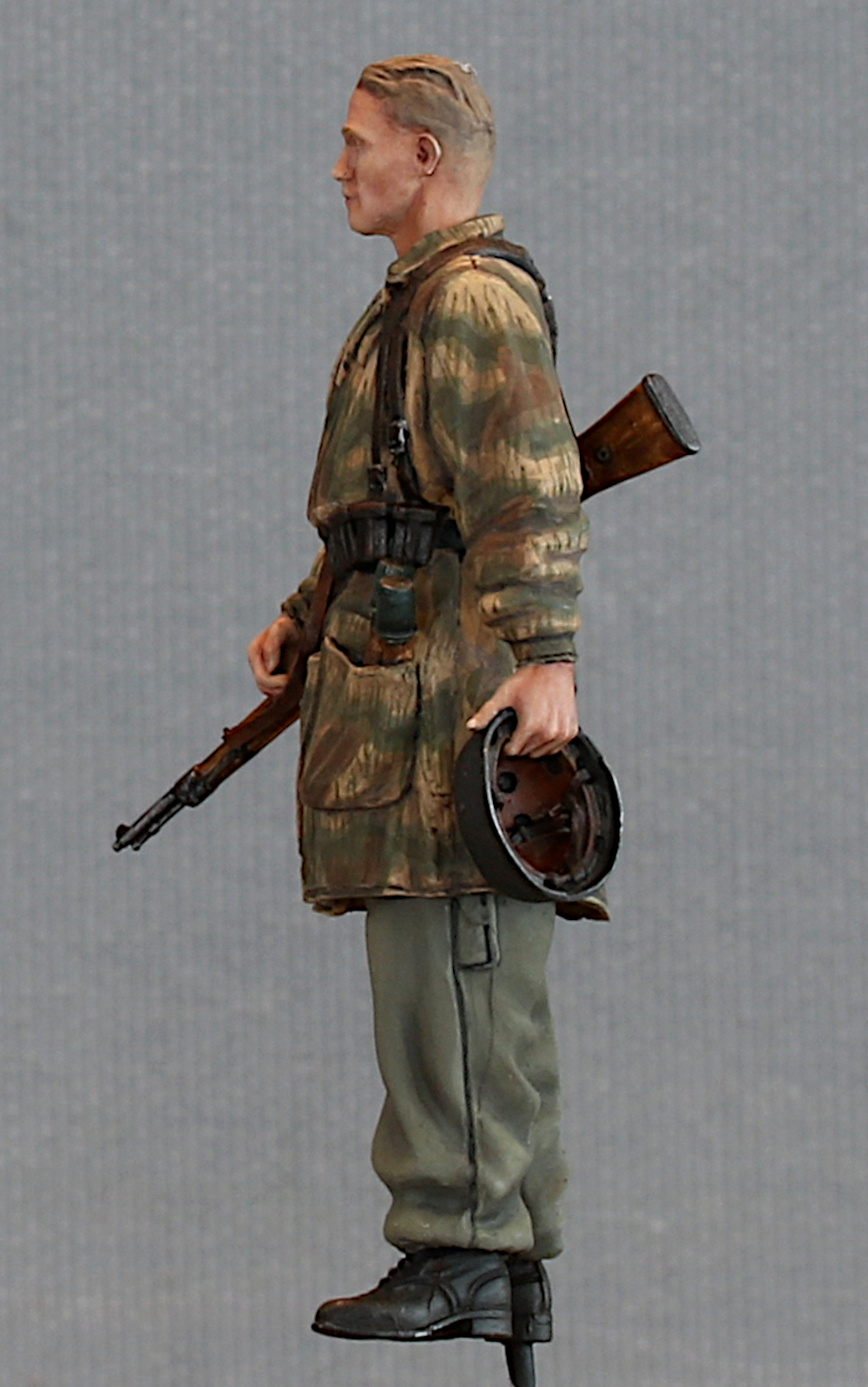
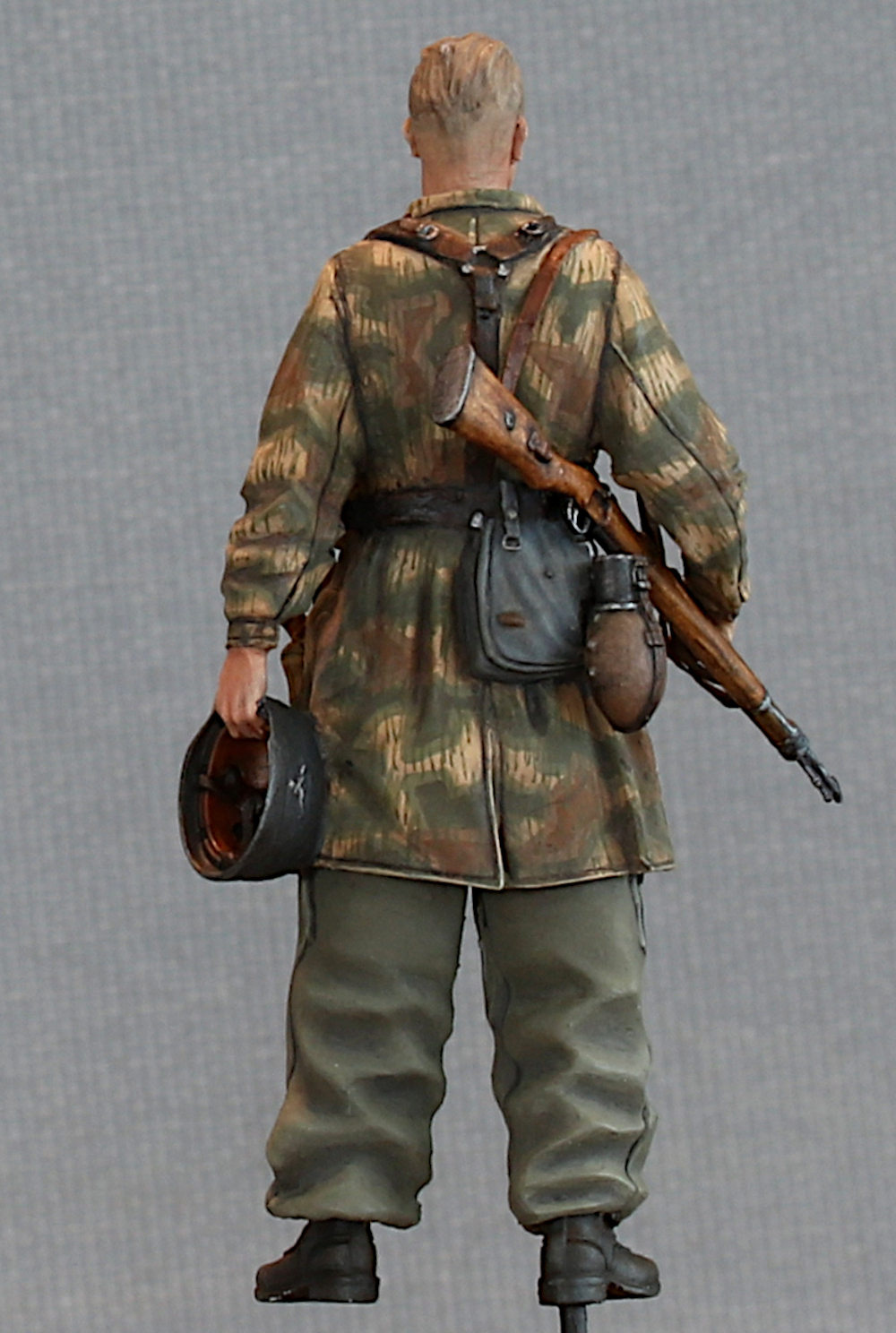
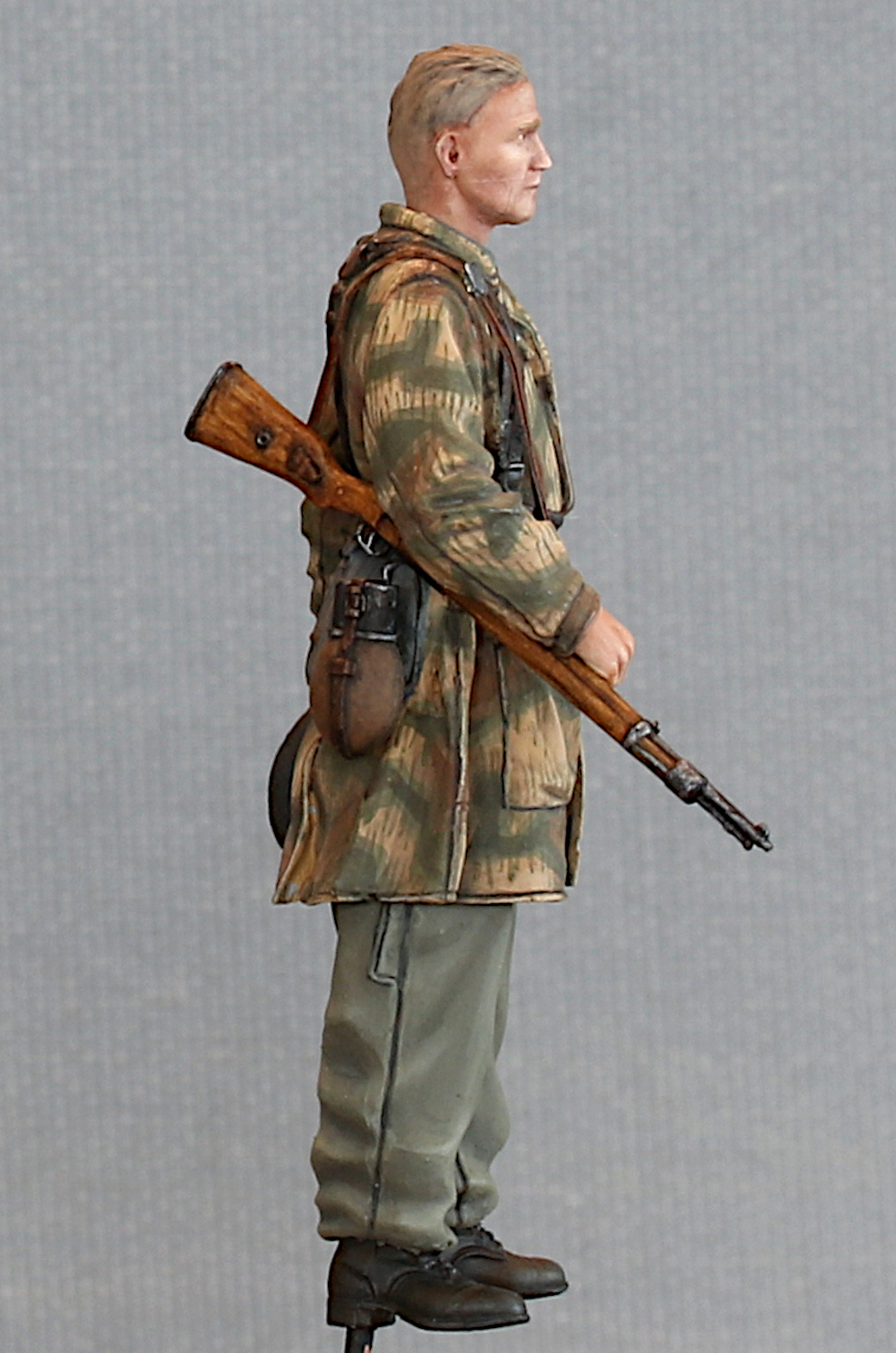
The figures are a mix of PanzerArt and other resin offerings.
The Ostwind Build
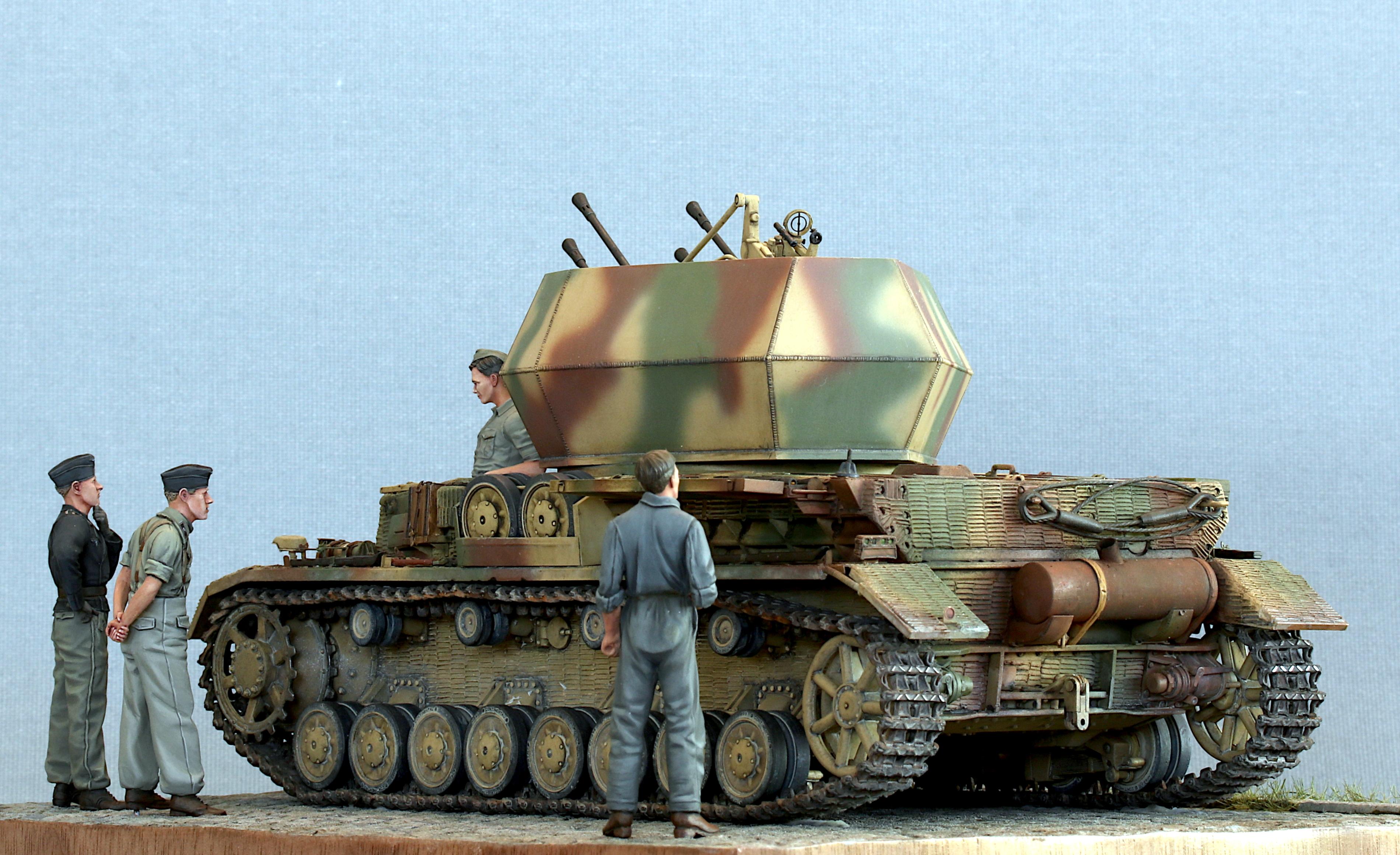
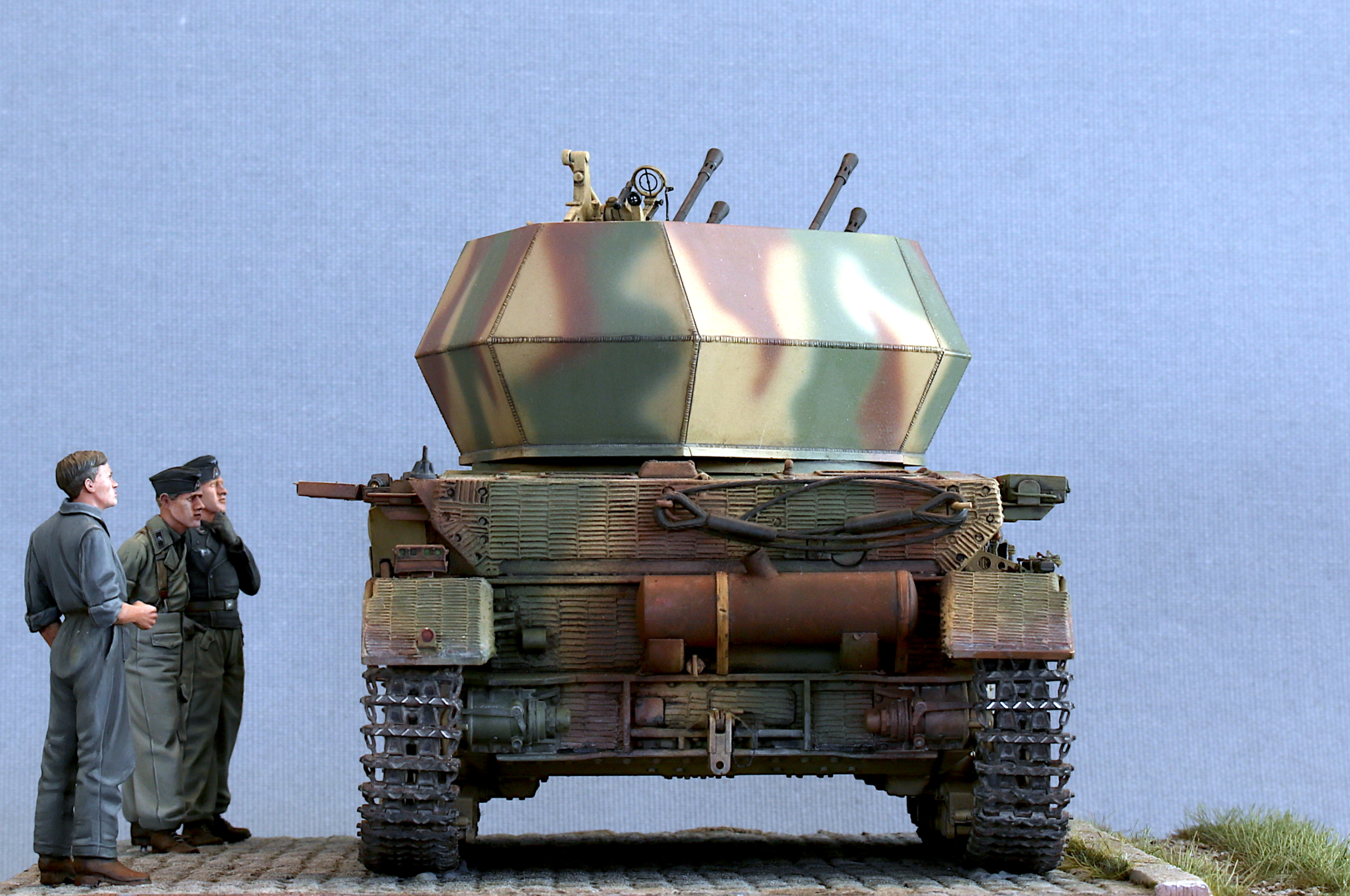
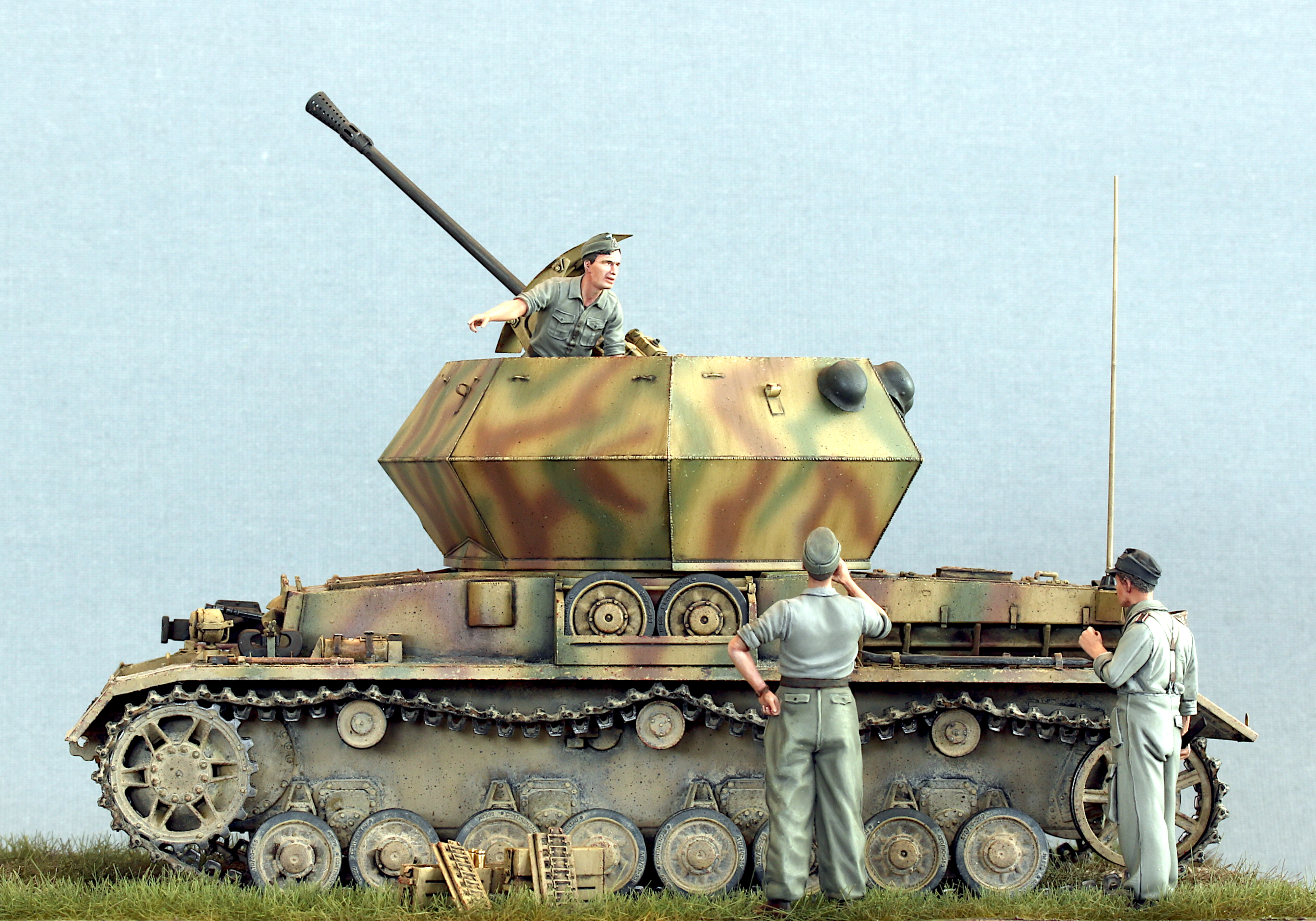
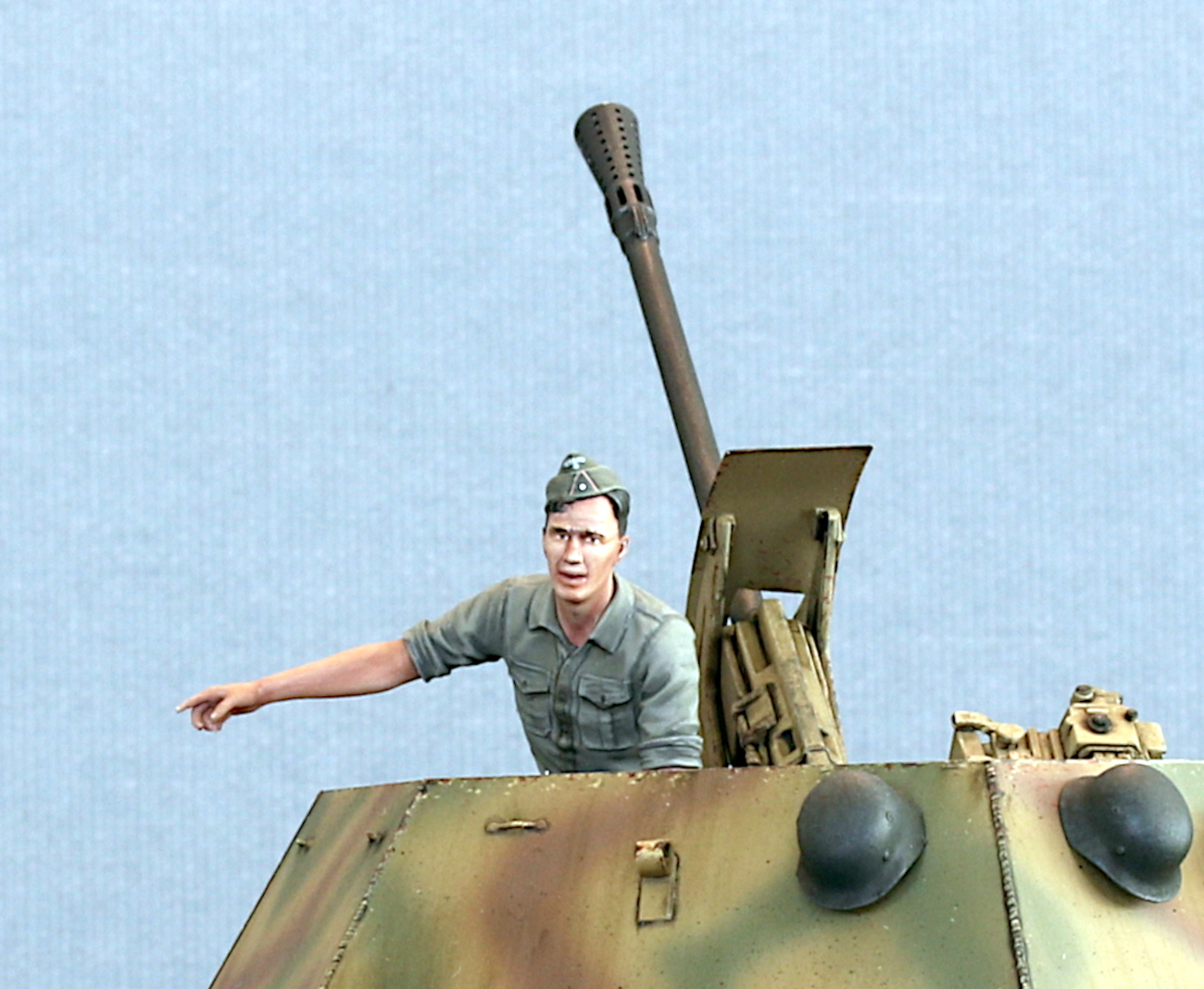
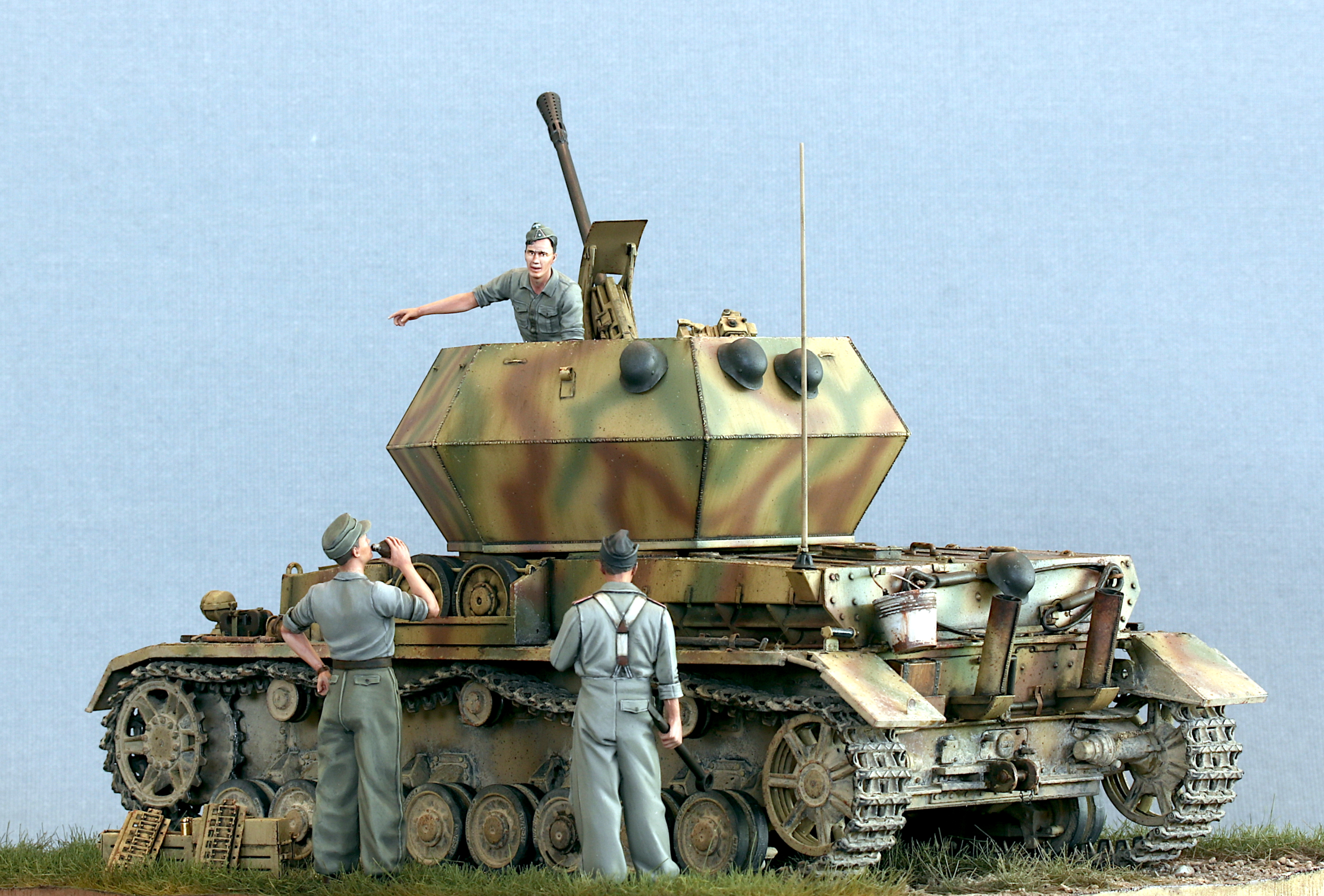
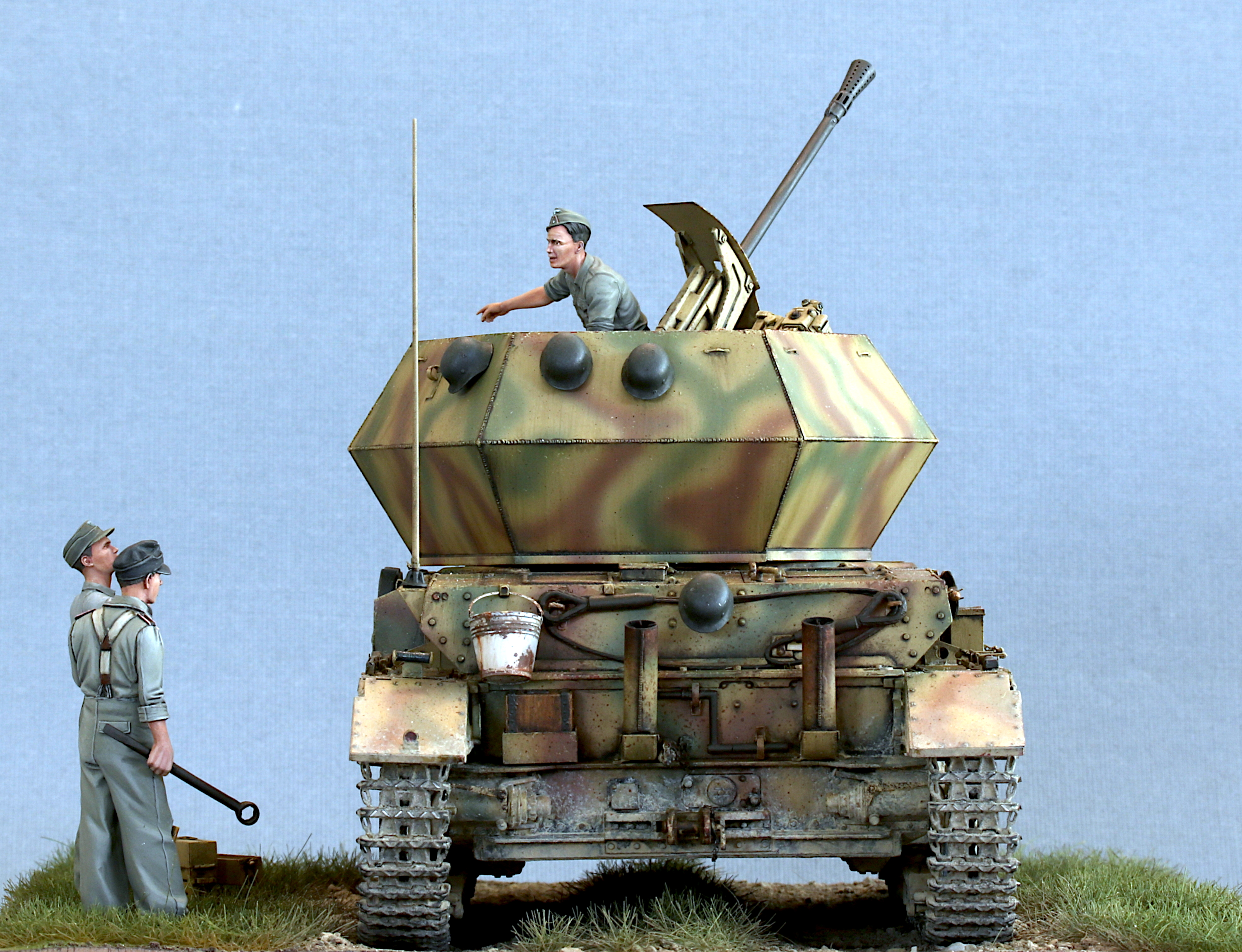
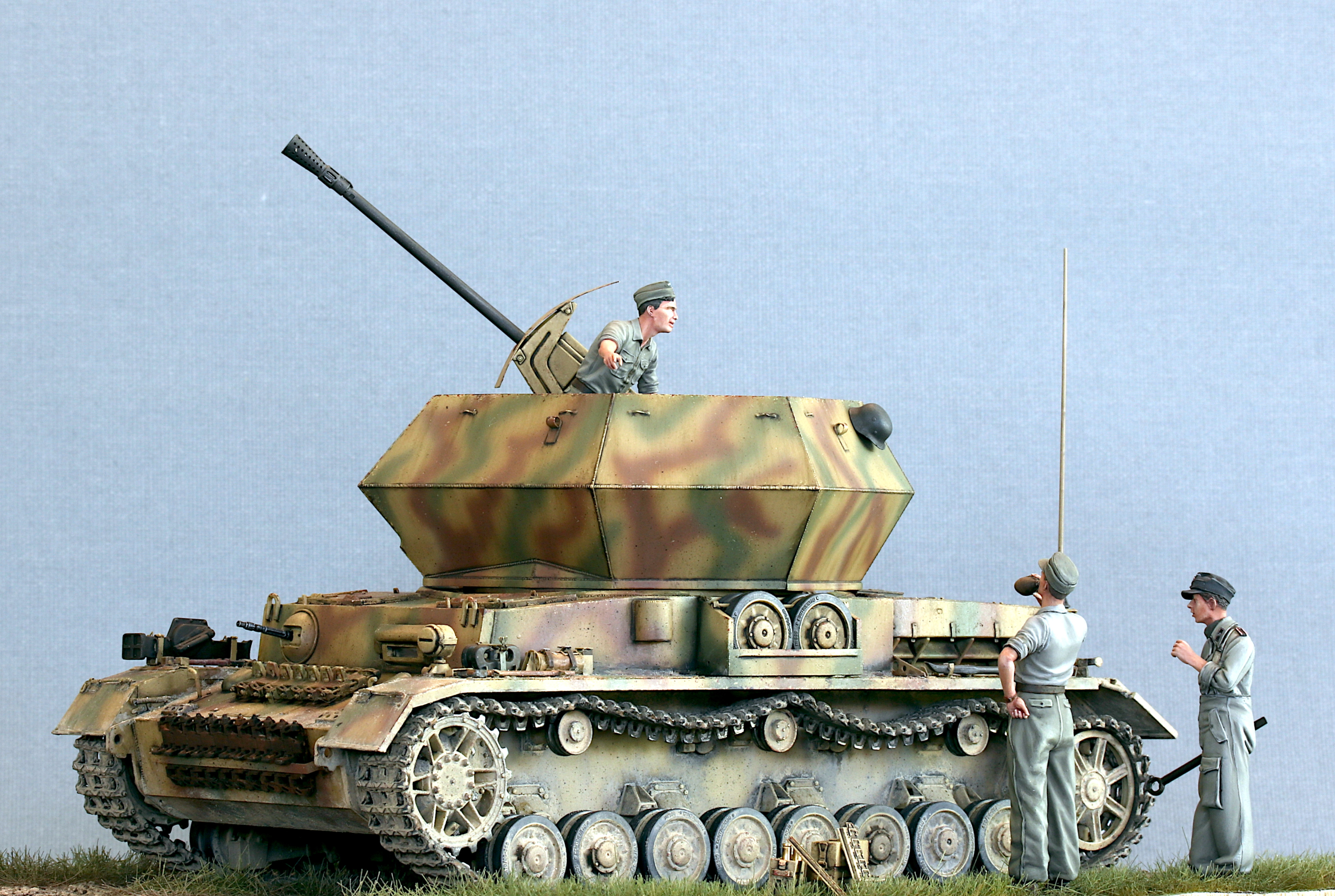
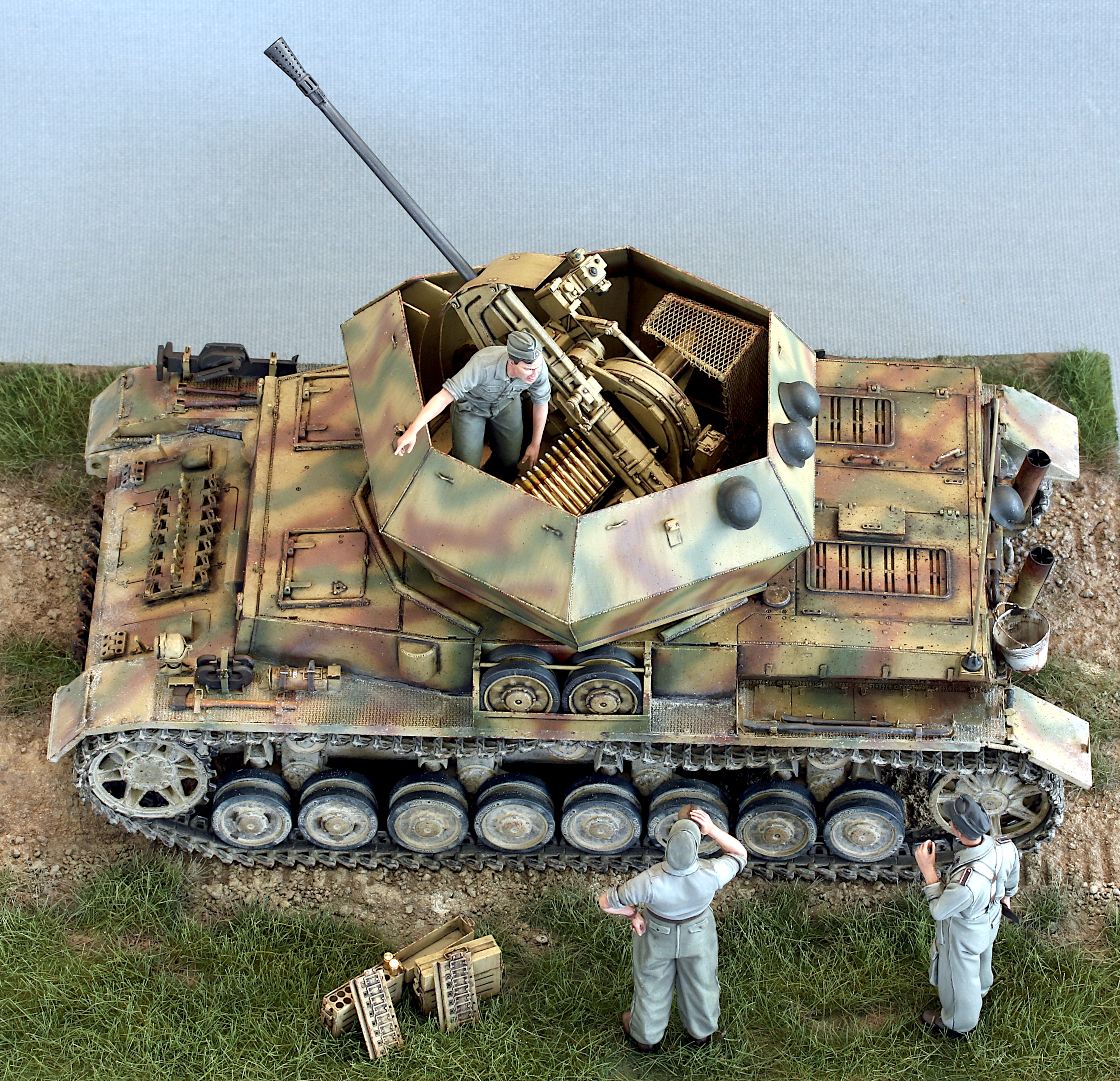
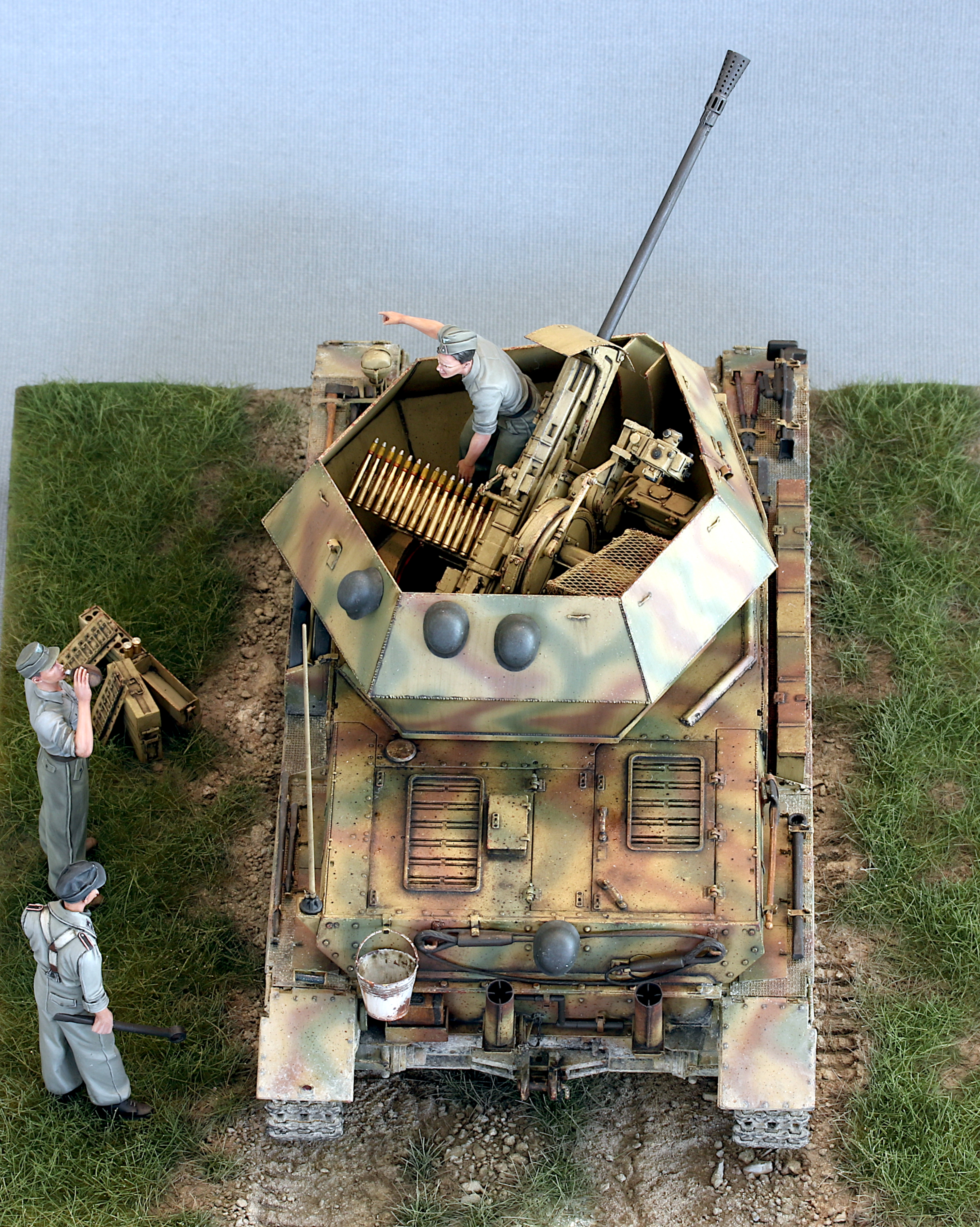
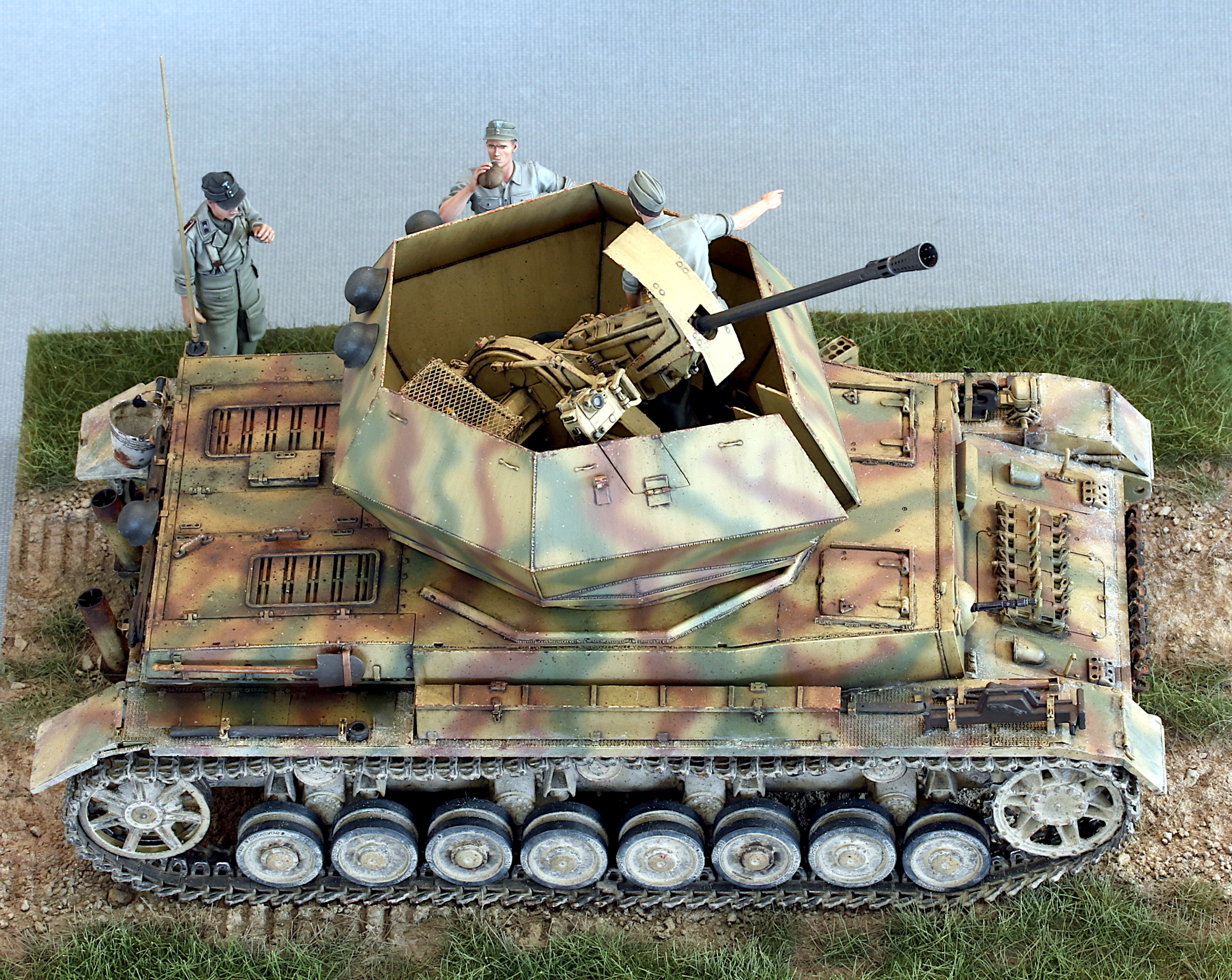
In contrast, production figures for the Ostwind remain uncertain, with estimates suggesting that no more than around 40 vehicles were completed. The absence of any surviving examples, combined with the limited number of period photographs, makes this variant far more challenging to research. Many of the available images show the prototype at Sagan, which—according to Nuts & Bolts—differs in several important respects from later production vehicles.
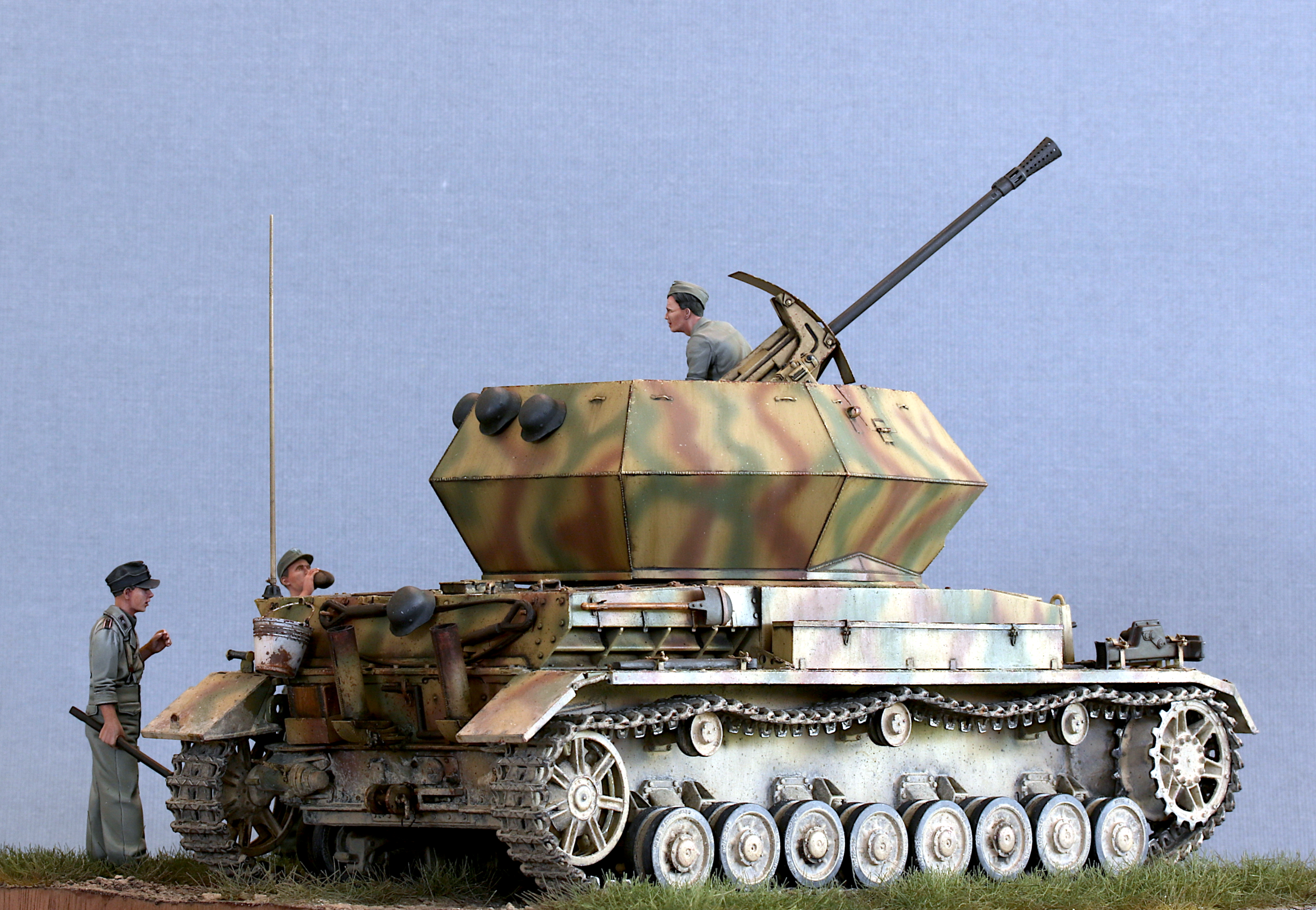
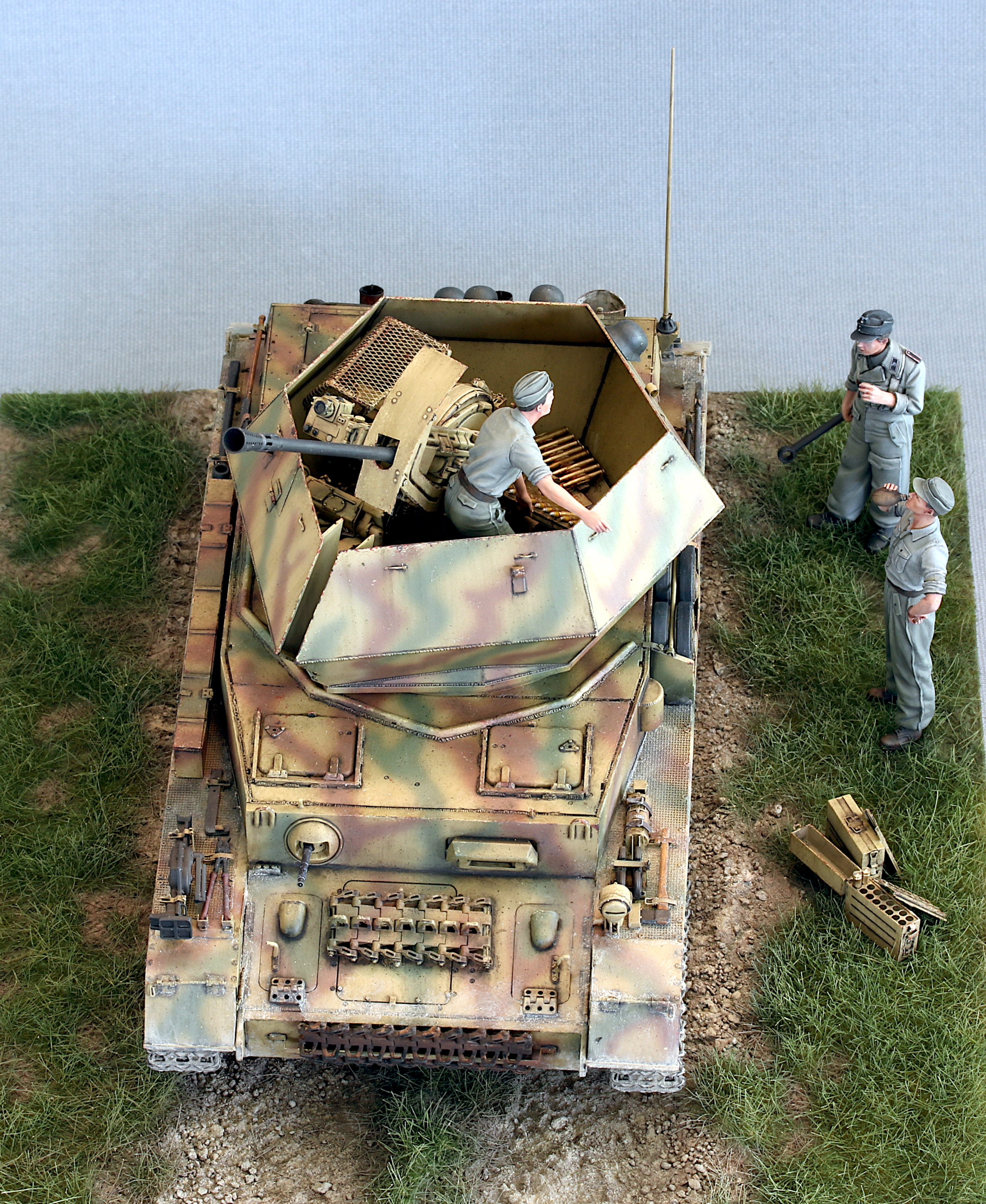
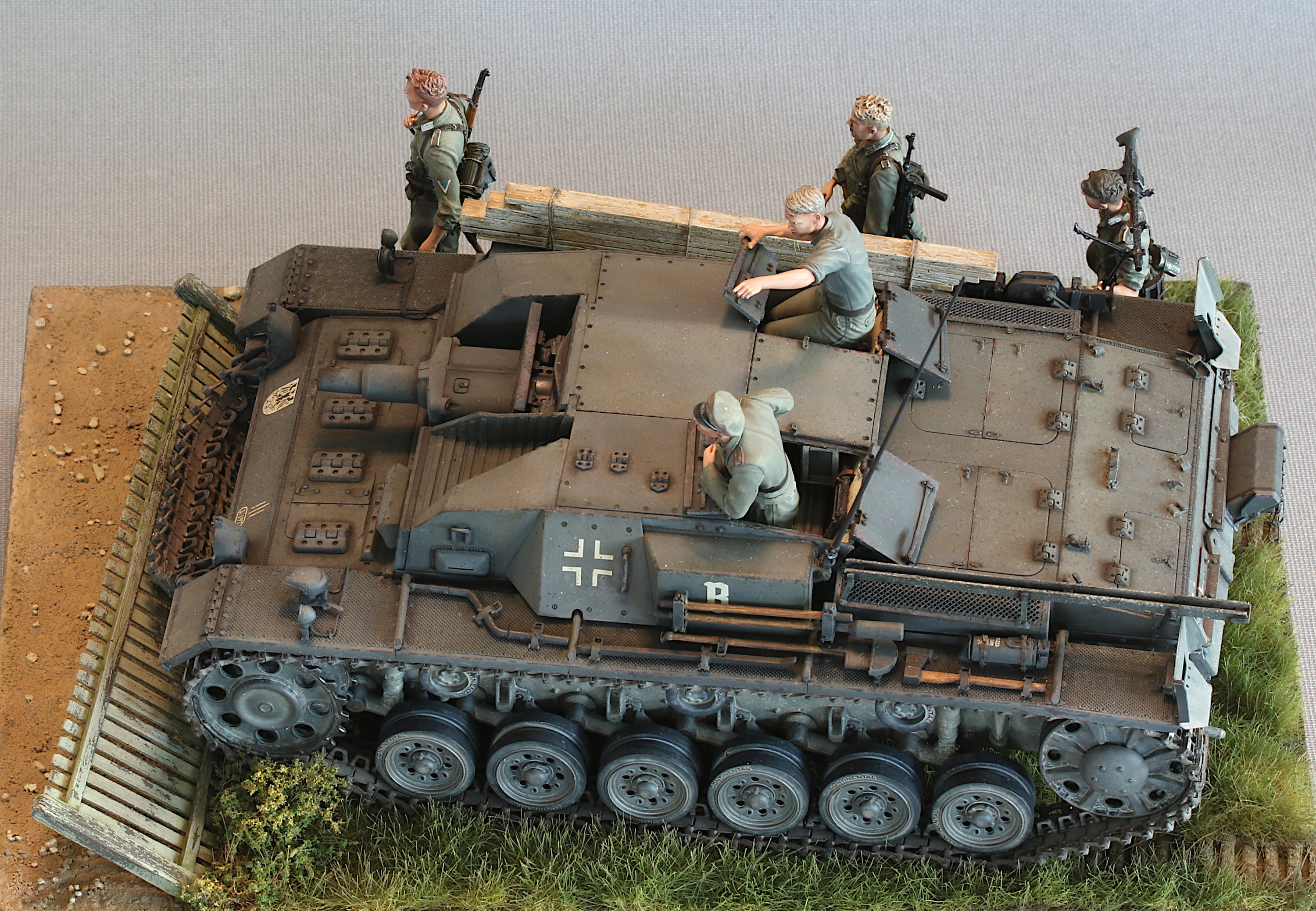
For this project, I again chose a Dragon kit, this time depicting a late-production Panzer IV Ausf. J hull with flame-dampening exhausts. As with the Wirbelwind, Voyager photo-etched parts and Friulmodel tracks were used to elevate the level of detail. By this stage, I had become quite familiar with the Panzer IV chassis, which made the build process more straightforward and enjoyable.
To complete the scene, I added a small group of figures left over from the Wirbelwind project and mounted the model on a simple base. The setting represents a maintenance scene in the spring of 1945 somewhere in Germany, offering a subdued, late-war contrast to the earlier factory-fresh Wirbelwind.
Conclusion
Together, the two models highlight both the similarities and differences between these closely related vehicles, as well as the evolution of Germany’s late-war mobile air defense concepts. The combination of solid reference material, well-engineered kits, and carefully chosen aftermarket components made this an enjoyable and rewarding project.
At the same time, the contrast between the relatively well-documented Wirbelwind and the more elusive Ostwind underscores the challenges—and the appeal—of modeling late-war subjects. Both vehicles remain striking examples of improvisation under pressure, and they continue to offer rich inspiration for modelers seeking something a little out of the ordinary.














 fieldgrau - military scenes in scale